
Motorcycle Maintenance: Essential Guide for Riders
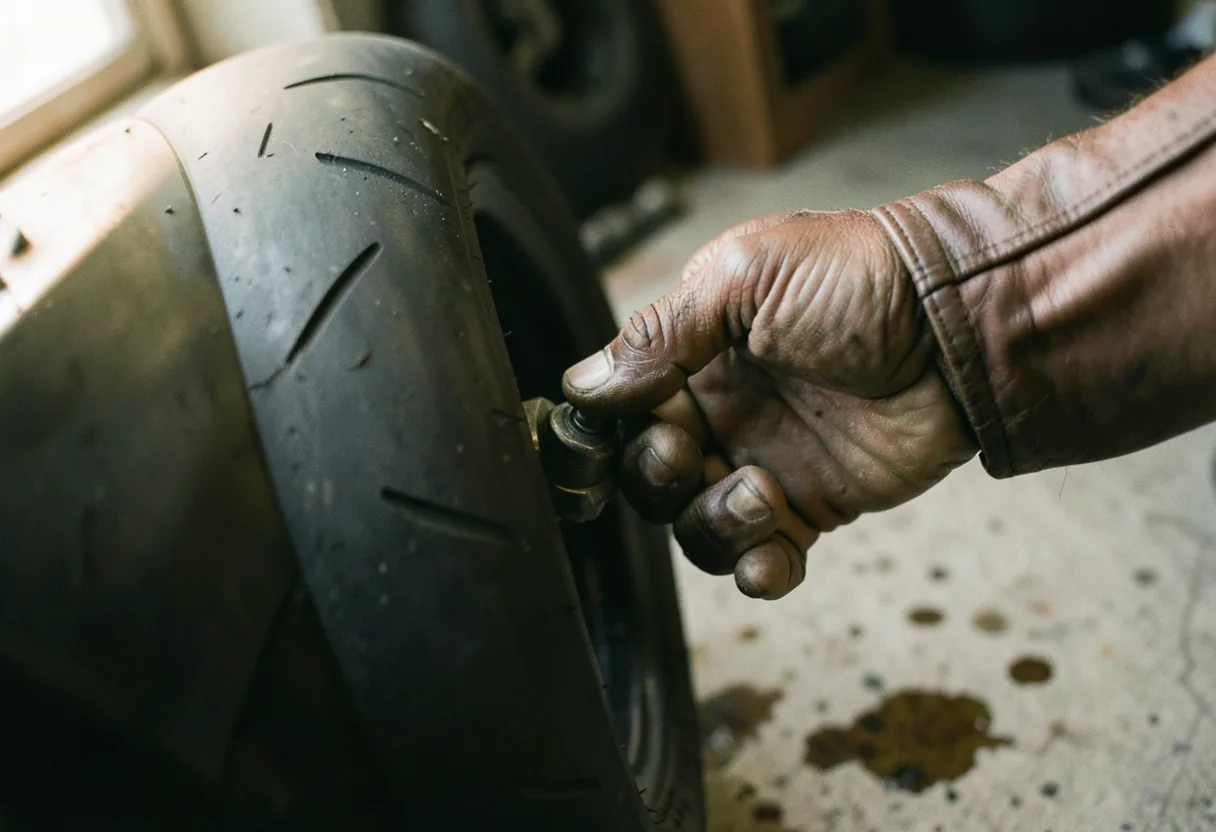
Maintenance your motorcycle by checking oil levels monthly using the dipstick, replacing engine oil every 3,000 miles, and cleaning the air filter every 6,000 miles. Inspect tire pressure weekly and brake pads every 5,000 miles. Use manufacturer-recommended products.
Motorcycle maintenance is the regular upkeep and repair of a motorcycle to ensure its safety, performance, and longevity.
Think of your motorcycle like a high-performance athlete. Just as an athlete needs regular training, proper nutrition, and rest to perform at their best, your motorcycle requires routine maintenance to keep it running smoothly and safely on the road.
Key facts
- Regular motorcycle maintenance can extend the life of your bike by up to 50%.
- Oil changes should be performed every 3,000 to 5,000 miles, depending on your motorcycle and oil type.
- The average cost of annual motorcycle maintenance is between $200 and $600, varying by bike type and usage.
- Neglecting maintenance can lead to decreased performance, increased fuel consumption, and even catastrophic failure.
01Maintenance Motorcycle: DIY vs. Professional Services
When it comes to maintenance motorcycle tasks, riders have two primary options: doing it yourself (DIY) or seeking professional services. Each approach has its advantages and drawbacks, and the best choice depends on your skills, time, and budget.
If you’re a hands-on rider who enjoys working on your bike and has the necessary tools, DIY maintenance can be a rewarding and cost-effective option. It allows you to develop a deeper understanding of your motorcycle and can be a satisfying way to spend your time. However, DIY maintenance requires a significant investment of time and effort, and mistakes can be costly.
On the other hand, professional motorcycle maintenance services offer the expertise and convenience of having your bike serviced by trained technicians. This option is ideal for riders who lack the time, tools, or skills to perform maintenance tasks themselves. However, professional services can be more expensive than DIY maintenance, and you may need to schedule appointments in advance.
Comparison of DIY and Professional Motorcycle Maintenance
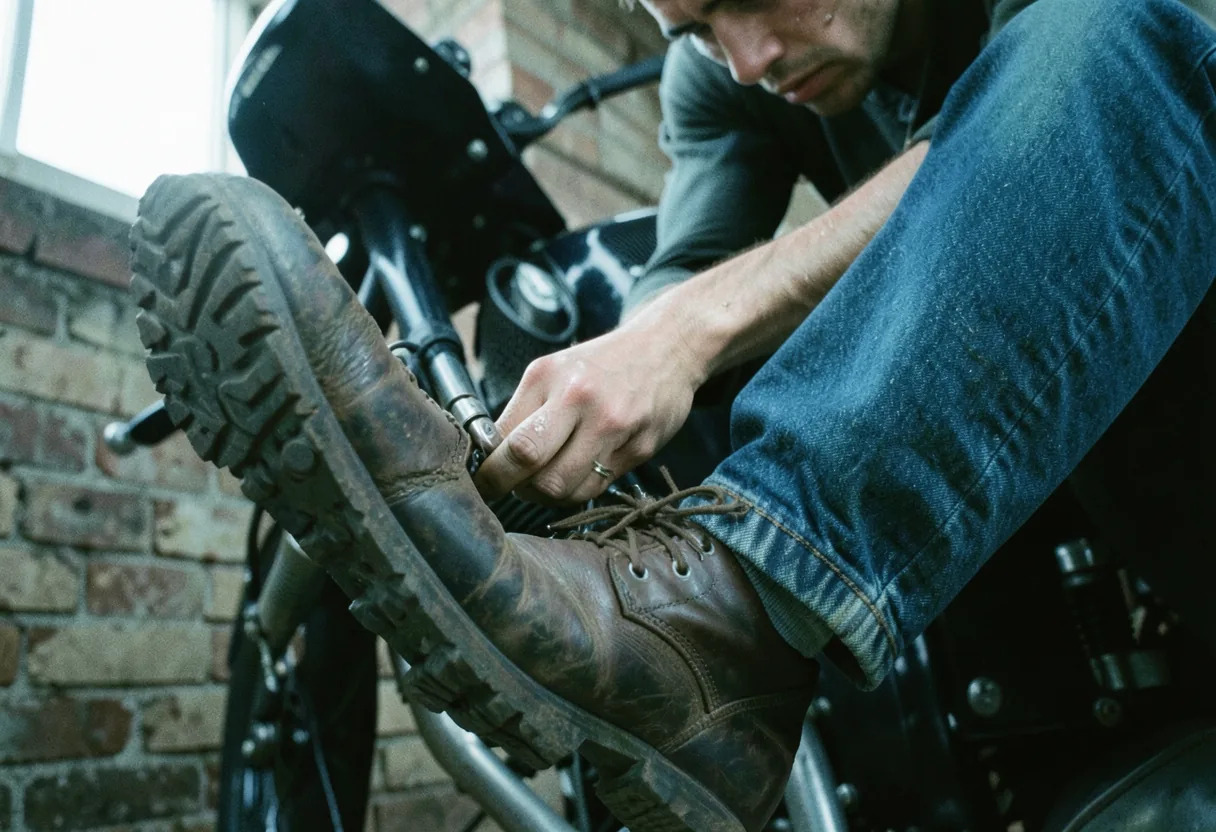
02DIY Motorcycle Maintenance: Best for Enthusiasts and Budget-Conscious Riders
DIY motorcycle maintenance is best suited for riders who enjoy working on their bikes and have the necessary tools and skills. It offers a cost-effective way to keep your motorcycle in top condition and can be a rewarding hobby. However, DIY maintenance requires a significant time commitment and a willingness to learn and troubleshoot problems as they arise.
The main drawback of DIY maintenance motorcycle tasks is the risk of making mistakes that could lead to more significant issues down the line. Additionally, some maintenance tasks, such as valve adjustments or major engine work, may require specialized tools or expertise that are beyond the capabilities of the average rider.
03Professional Motorcycle Maintenance: Best for Convenience and Expertise
Professional motorcycle maintenance services are ideal for riders who prioritize convenience and expertise. Whether you’re short on time, lack the necessary tools, or simply prefer to have your bike serviced by professionals, a reputable motorcycle maintenance shop can provide the peace of mind that comes with knowing your bike is in good hands.
The main drawback of professional maintenance motorcycle services is the cost. Labor charges can add up quickly, and some shops may use higher-priced parts or recommend unnecessary services to increase their profits. To minimize these risks, it’s essential to choose a reputable shop with a good track record and to be informed about your bike’s maintenance needs.
04How to Choose Between DIY and Professional Motorcycle Maintenance
- Assess your skills and knowledge: Be honest with yourself about your mechanical aptitude and willingness to learn. If you’re new to motorcycle maintenance, start with simple tasks and gradually work your way up to more complex ones.
- Consider your time and budget: Evaluate your available time and budget for motorcycle maintenance. DIY maintenance can save you money, but it requires a significant time investment. Professional services are more convenient but can be more expensive.
- Research maintenance tasks: Familiarize yourself with the maintenance tasks required for your specific motorcycle model. Some tasks, such as oil changes or tire pressure checks, are relatively simple and can be easily performed at home. Others, like valve adjustments or major engine work, may require professional expertise.
- Consult your owner’s manual: Your motorcycle’s owner’s manual is an invaluable resource for maintenance information. It provides detailed instructions for performing various maintenance tasks, as well as recommended service intervals and specifications.
- Seek advice from experienced riders: Tap into the collective knowledge of experienced riders by joining online forums, attending local motorcycle events, or connecting with other riders in your area. They can offer valuable insights and recommendations based on their own experiences with motorcycle maintenance.
05Maintenance Motorcycle Tasks: A Comprehensive Guide
Maintenance motorcycle tasks can be broadly categorized into four areas: engine, chassis, electrical, and cosmetic. Each area requires specific attention to ensure your bike remains safe, reliable, and enjoyable to ride. Here’s a breakdown of the essential tasks in each category.
Engine Maintenance
Chassis Maintenance
Electrical Maintenance
Cosmetic Maintenance
The first time I really looked at a motorcycle maintenance schedule, I was overwhelmed by the sheer number of tasks and intervals. However, I quickly realized that not all tasks are equally critical, and many can be performed simultaneously to save time and effort. For example, you can combine an oil change with a brake inspection or a tire pressure check. By grouping tasks together, you can streamline your maintenance routine and make it more manageable.
As you gain experience and confidence in motorcycle maintenance, you’ll develop your own system for keeping your bike in top condition. Remember that regular maintenance is an investment in your safety and enjoyment on the road. By taking the time to care for your motorcycle, you’ll ensure that it continues to provide you with many miles of riding pleasure.
For more detailed information on creating a maintenance schedule, check out our guide on How to Create a Motorcycle Maintenance Schedule. Additionally, understanding the costs associated with motorcycle maintenance can help you budget effectively. Our article on Understanding the Cost of Motorcycle Maintenance provides valuable insights into the expenses you can expect.
When performing maintenance tasks, always consult your motorcycle’s owner’s manual for specific instructions and recommendations. If you’re unsure about any aspect of motorcycle maintenance, don’t hesitate to seek advice from experienced riders or professional technicians. Your safety and the longevity of your bike depend on proper care and maintenance.
For a comprehensive list of maintenance tasks, refer to our ultimate checklist for motorcycle maintenance at Ultimate Checklist for Motorcycle Maintenance. This checklist covers all the essential tasks you need to perform to keep your motorcycle in top condition.
Finally, if you’re a Harley Davidson owner, you may want to check out our specific guide on the Harley Davidson Motorcycle Maintenance Schedule. This article provides detailed information on the maintenance tasks and intervals recommended for Harley Davidson motorcycles.
In the world of motorcycle maintenance, knowledge is power. By staying informed and proactive, you’ll ensure that your bike remains a reliable and enjoyable companion on the open road. So, grab your tools, roll up your sleeves, and get started on your motorcycle maintenance journey today.
For those interested in the history and evolution of motorcycle design, the in Chicago features an impressive collection of motorcycles, showcasing the advancements in engineering and technology over the years.
Regular maintenance motorcycle tasks are a small price to pay for the freedom and joy that riding brings. By taking care of your bike, you’ll ensure that it continues to serve you well for many miles and years to come.
06Frequently asked questions
What's the most common mistake riders make with chain maintenance?
Skipping regular cleaning. A chain lasts 15,000-30,000 miles if cleaned every 500 miles and lubricated properly. Use a stiff brush to remove dirt, then apply chain lube designed for motorcycles, not automotive lube. Never spray lube directly on the chain; aim for the inner links.
How often should I change my motorcycle's engine oil?
Every 3,000-5,000 miles for conventional oil, or 5,000-7,000 miles for synthetic, depending on your manual. Use 10W-40 for most modern bikes. Always warm up the engine first, then drain the old oil, replace the filter, and refill with the correct amount. Overfilling can damage the engine.
Why is tire pressure critical, and how do I check it?
Underinflated tires wear faster and reduce fuel efficiency. Check pressure when tires are cold, using a tire pressure gauge. Most sport bikes need 33-36 psi at the rear and 30-33 psi at the front. Adjust according to your manual, and always check after long rides or heavy loads.
What's the best way to store a motorcycle for winter?
Fill the tank to prevent condensation, change the oil, and top up antifreeze. Remove the battery or use a tender to maintain charge. Cover the bike with a breathable cover to prevent moisture buildup. Store in a dry place to avoid rust and tire flat spots.