
Complete Motorcycle Maintenance List for Riders
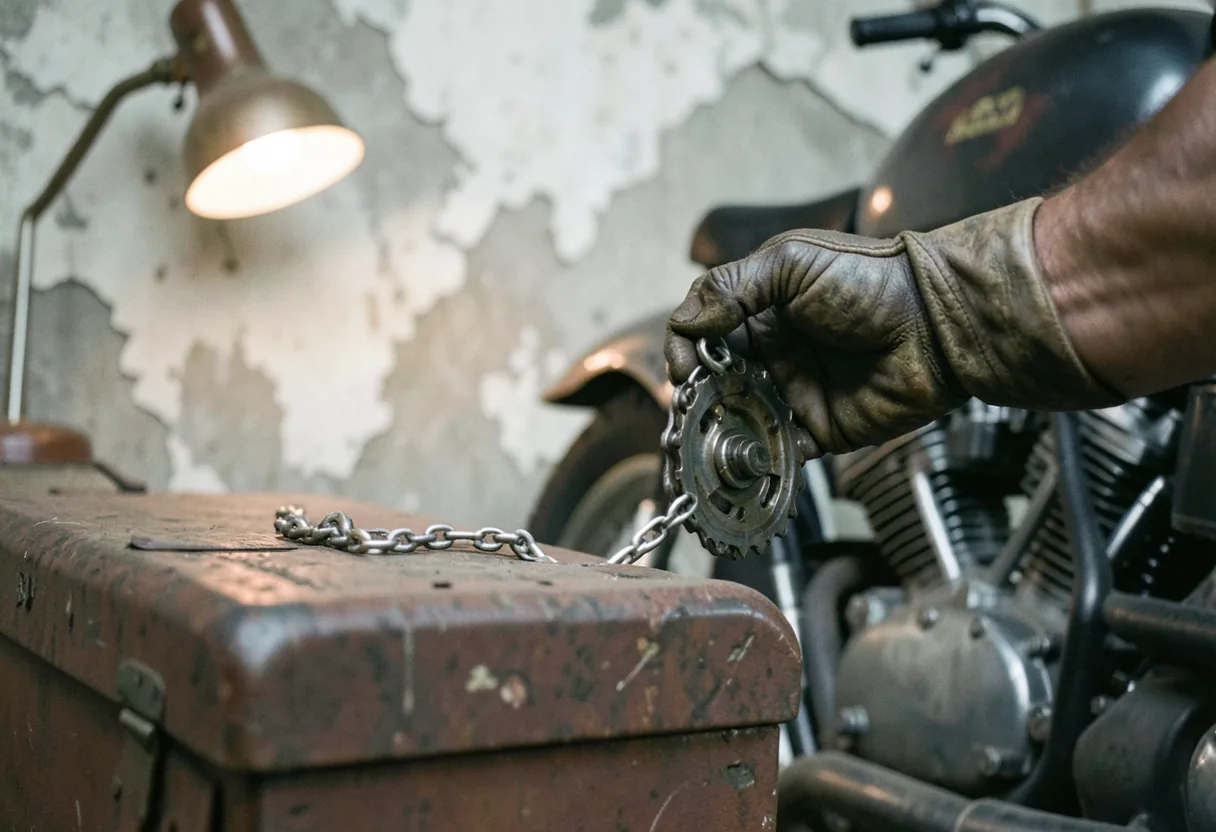
Essential motorcycle maintenance includes checking tire pressure monthly, changing engine oil every 3,000 miles, and inspecting brake pads bimonthly. Clean the air filter every 6,000 miles, lubricate the chain weekly, and test all lights and signals. Regularly check fluid levels, including coolant and brake fluid.
Motorcycle maintenance list is a comprehensive checklist of tasks designed to keep your bike in peak condition, ensuring safety and longevity.
Think of it like brushing your teeth, a daily habit that prevents bigger problems later. Just as you wouldn’t skip flossing, a rider shouldn’t skip oil changes or tire checks.
Key facts
- Regular maintenance can extend the life of your motorcycle by up to 50%.
- Neglecting basic tasks like oil changes can lead to engine damage costing thousands to repair.
- Modern motorcycles have maintenance indicators that alert you when service is due.
- A well-maintained bike retains up to 20% more resale value.
01What does a motorcycle maintenance list include?
A motorcycle maintenance list covers everything from routine checks to periodic overhauls. At its core, it includes daily, weekly, monthly, and annual tasks. Daily checks might involve inspecting tire pressure and fluid levels, while monthly tasks could include cleaning the air filter or checking the chain tension. Annual tasks are more involved, such as replacing the brake fluid or inspecting the valve clearances.
The first time I really looked at a detailed maintenance list, I was surprised by how many small but critical tasks add up. For example, something as simple as cleaning the battery terminals can prevent starting issues. Another example is lubricating the control cables, ignoring this can lead to stiff throttle or clutch action, which affects ride quality and safety.

02Why is a motorcycle maintenance list important?
A motorcycle maintenance list is your roadmap to preventing costly repairs and ensuring your bike runs smoothly. It helps you stay on top of wear and tear, catching small issues before they become major problems. For instance, regularly checking the chain tension and lubrication can prevent premature wear, extending the life of your drivetrain. Similarly, monitoring tire tread depth ensures optimal traction, reducing the risk of skidding or accidents.
For riders who log long distances, a maintenance list is especially crucial. The more you ride, the faster components wear out. A rider who covers 10,000 miles a year will need to replace their chain, sprockets, and brake pads more frequently than someone who rides casually. A well-organized list helps you track these intervals, ensuring nothing slips through the cracks.
03How often should you perform motorcycle maintenance tasks?
The frequency of motorcycle maintenance tasks depends on how often you ride and the type of riding you do. Manufacturers provide recommended service intervals in the owner’s manual, but these can vary widely. For example, a sport bike ridden aggressively might need more frequent oil changes than a cruiser used for weekend rides. As a general rule, oil changes are recommended every 3,000 to 5,000 miles for most motorcycles, while tasks like valve adjustments might be required every 10,000 miles.
For riders who commute daily, sticking to a strict maintenance schedule is non-negotiable. The wear and tear from daily use can quickly degrade critical components. On the other hand, a rider who only takes their bike out on weekends can stretch some intervals, but they should still perform regular checks to ensure safety. Using a maintenance schedule like the one provided by Harley-Davidson can help tailor these tasks to your specific riding habits.
04What are the essential tools for motorcycle maintenance?
To tackle motorcycle maintenance tasks effectively, you’ll need a set of essential tools. At a minimum, you’ll want a socket set, wrenches, screwdrivers, pliers, and a torque wrench. Specialized tools like a chain breaker, tire pressure gauge, and valve adjustment tool are also useful. For more advanced tasks, you might need a multimeter to diagnose electrical issues or a pneumatic lift to make working on the bike easier.
Investing in quality tools pays off in the long run. Cheap tools can strip bolts or fail under pressure, leading to frustration and potential damage. Brands like Snap-on or Craftsman are known for their durability and precision. If you’re new to motorcycle maintenance, consider starting with a basic toolkit and expanding as your skills grow. Websites like RevZilla offer guides to help you build your tool collection.
05How can you create a personalized motorcycle maintenance list?
Creating a personalized motorcycle maintenance list starts with understanding your riding habits and the specific needs of your bike. Begin by consulting your owner’s manual for manufacturer-recommended service intervals. From there, add tasks based on your riding conditions. For example, if you frequently ride in wet or salty environments, you’ll need to clean and lubricate moving parts more often to prevent corrosion.
Consider using a maintenance app or spreadsheet to track tasks. Apps like Biker’s Mate allow you to set reminders for upcoming maintenance tasks, ensuring you never miss a critical service. You can also customize the list to include notes on any unusual wear or issues you’ve noticed. Over time, this personalized list will become a valuable resource, helping you stay on top of maintenance and extend the life of your bike.
06What are the most common motorcycle maintenance mistakes?
Even experienced riders make mistakes when it comes to motorcycle maintenance. One of the most common is neglecting to check tire pressure regularly. Underinflated or overinflated tires can affect handling and increase the risk of a blowout. Another common mistake is using the wrong type of oil or fluids. Always refer to your owner’s manual to ensure you’re using the correct specifications.
Over-tightening bolts is another frequent error. Using a torque wrench ensures you tighten bolts to the manufacturer’s recommended specifications, preventing damage to threads or components. Ignoring warning lights or error codes is also a mistake. Modern motorcycles are equipped with diagnostic systems that alert you to potential issues, addressing these promptly can prevent costly repairs down the road.
07How does motorcycle maintenance affect resale value?
Motorcycle maintenance plays a significant role in determining resale value. A well-maintained bike with a documented service history will command a higher price than one with neglected maintenance. Potential buyers are willing to pay a premium for a motorcycle that has been cared for, as it reduces the risk of hidden issues.
For example, a Honda CBR1000RR with a complete service history and receipts might sell for 10-15% more than a similar model without documentation. Keeping records of all maintenance tasks, including oil changes, tire replacements, and major repairs, adds credibility and value. Websites like Cycle Trader highlight the importance of maintenance records in the resale process.
08What are the best resources for learning motorcycle maintenance?
Learning motorcycle maintenance can be a rewarding experience, and there are numerous resources available to help you get started. Online courses, YouTube tutorials, and books are all excellent options. Websites like Motorcycle Mechanics Institute offer comprehensive training programs for those looking to gain professional-level skills. YouTube channels like Barnett’s Goldwing provide step-by-step guides for common maintenance tasks.
Books like “Motorcycle Maintenance for Dummies” offer a solid foundation for beginners. Local motorcycle clubs and forums are also great places to learn from experienced riders. Joining a club can provide access to workshops, group rides, and expert advice. For hands-on learning, consider attending a motorcycle maintenance workshop or enrolling in a class at a local technical school.
Regular motorcycle maintenance is the key to keeping your bike in top condition. By following a comprehensive maintenance list, you’ll ensure safety, longevity, and a higher resale value. Start with the basics, invest in quality tools, and build your skills over time. With the right approach, motorcycle maintenance can be a rewarding and enjoyable part of your riding experience.
09Frequently asked questions
What’s the most overlooked maintenance task for motorcycles?
Checking tire pressure. Many riders ignore this, but underinflated tires wear faster and reduce fuel efficiency. Use a gauge to ensure your tires match the manufacturer’s PSI, usually found in the owner’s manual or on a sticker near the seat.
How often should I change my motorcycle’s oil?
Every 3,000 to 5,000 miles for conventional oil, or 5,000 to 7,000 miles for synthetic. The exact interval depends on your bike’s make and model. Check your manual for specifics, but never exceed 6,000 miles for conventional oil to avoid engine damage.
What’s a quick way to check my brake fluid?
Look at the brake fluid reservoir near the handlebars. If the fluid is dark or murky instead of clear or light amber, it’s time for a change. Brake fluid absorbs moisture over time, reducing its effectiveness. Replace it every 2 years or as recommended by your bike’s manual.
Why is chain maintenance critical for motorcycles?
A well-lubricated chain ensures smooth power transfer and extends its lifespan. Clean the chain with a brush and degreaser, then apply a high-quality chain lube like Motul Chain Paste. Check the chain’s tension and alignment weekly, especially if you ride often or in wet conditions.