
Harley Davidson Motorcycle Maintenance Schedule
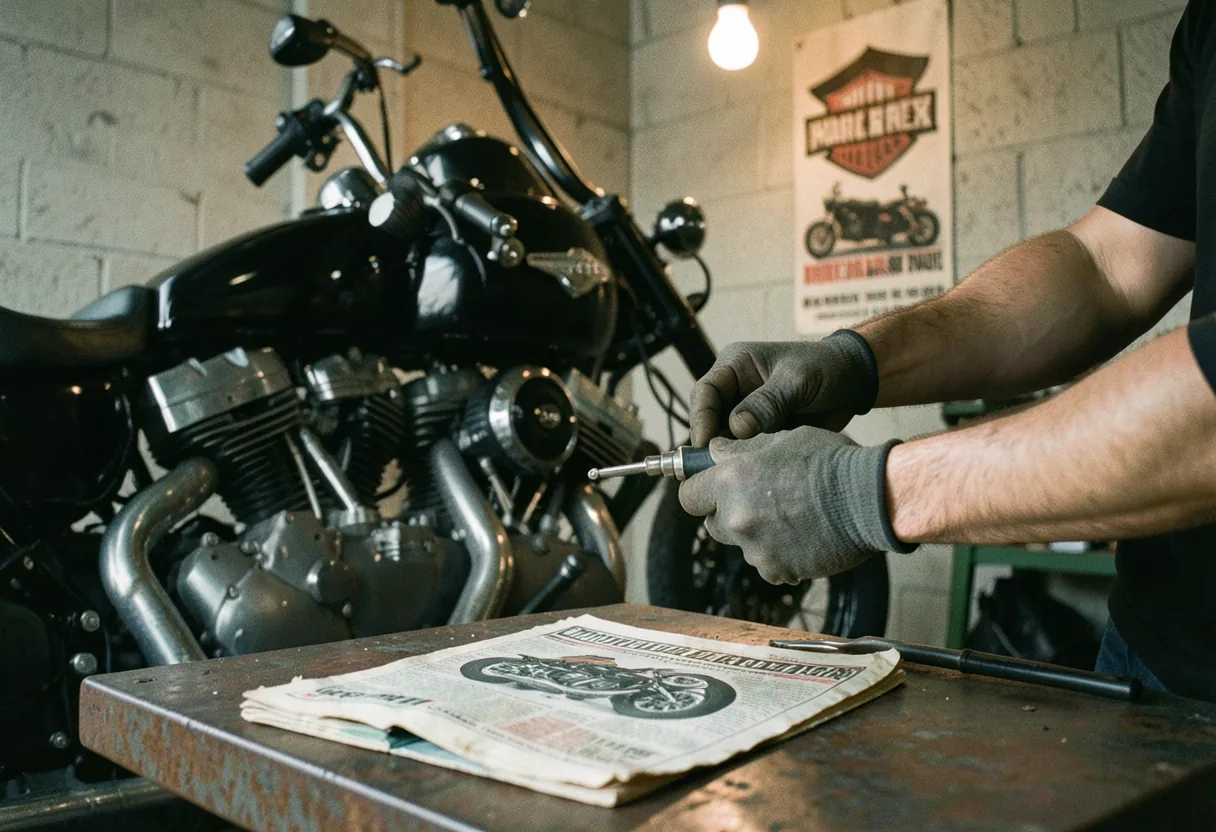
Follow Harley-Davidson’s maintenance schedule for optimal performance: change engine oil every 5,000 miles, check tire pressure monthly, replace air filter annually, and inspect brakes every 10,000 miles. Use genuine Harley parts.
A Harley Davidson motorcycle maintenance schedule is a systematic plan outlining service intervals and tasks to keep your bike running smoothly.
Think of it like a motorcycle’s version of a doctor’s check-up calendar. Just as you’d schedule regular appointments to keep your body healthy, your Harley needs routine maintenance to perform at its best.
Key facts
- Harley Davidson recommends service intervals every 5,000 miles or 6 months, whichever comes first.
- Basic maintenance tasks include oil changes, tire inspections, and brake checks.
- More complex services, like valve adjustments, are required every 10,000 to 15,000 miles.
- Following the maintenance schedule can extend your motorcycle’s lifespan and maintain its resale value.
01What is a Harley Davidson motorcycle maintenance schedule?
A Harley Davidson motorcycle maintenance schedule is a detailed plan designed to ensure optimal performance and longevity of your bike. It’s not just about fixing problems as they arise; it’s about preventing them through regular, proactive care. The schedule is tailored to Harley Davidson motorcycles, considering their specific engineering and design.
The maintenance schedule is divided into three main categories: service intervals, maintenance tasks, and inspections. Service intervals are the mileage or time periods at which maintenance should be performed. Maintenance tasks are the specific services required at each interval. Inspections are checks performed to ensure everything is in good working order.
For instance, the 5,000-mile service interval includes an oil change, filter replacement, and a general inspection. This interval is crucial as it sets the foundation for the rest of the motorcycle’s maintenance life. The general inspection at this stage is comprehensive, covering everything from the brakes and tires to the lights and controls.
02Why follow a Harley Davidson motorcycle maintenance schedule?
Following a Harley Davidson motorcycle maintenance schedule is crucial for several reasons. Firstly, it helps prevent major breakdowns and costly repairs. Regular maintenance can catch small issues before they become big problems, saving you time and money in the long run.
Secondly, it ensures the safety of the rider. A well-maintained motorcycle is less likely to have mechanical failures that could lead to accidents. Regular checks of brakes, tires, and lights can help prevent mishaps on the road. For example, ensuring your brakes are in top condition can significantly reduce stopping distances, which is vital for safety.
Lastly, following the maintenance schedule can help maintain your motorcycle’s resale value. A well-documented service history shows potential buyers that the bike has been properly cared for, making it more attractive in the used motorcycle market. Prospective buyers often look for service records, and having a detailed maintenance schedule can make a significant difference in the resale price.
03Harley Davidson motorcycle maintenance schedule: Service intervals
Harley Davidson recommends service intervals every 5,000 miles or 6 months, whichever comes first. This is the basic interval for most maintenance tasks. However, some services are required at longer intervals, such as every 10,000 miles or 15,000 miles.
The first service interval is particularly important as it sets the stage for the rest of the motorcycle’s life. It typically includes an oil change, filter replacement, and a general inspection. During this inspection, mechanics will check the brakes, tires, lights, controls, and fluids to ensure everything is in good working order.
After the initial 5,000-mile service, the maintenance schedule includes more comprehensive tasks. For example, at 10,000 miles, you might need to replace the air filter, adjust the valves, and check the fuel system. Valve adjustment is a critical task that ensures your engine runs smoothly. It involves checking and adjusting the clearance between the valve stem and the rocker arm.
Here’s a breakdown of the service intervals and tasks:
04Harley Davidson motorcycle maintenance schedule: Maintenance tasks
Maintenance tasks vary depending on the service interval. At the basic 5,000-mile service, tasks typically include an oil change, filter replacement, and a general inspection. The first time I really looked at my Harley’s maintenance schedule, I was surprised by how thorough the general inspection was. It includes checks of the brakes, tires, lights, controls, and fluids, among other things.
At the 10,000-mile service, tasks become more comprehensive. This is where you might need to replace the air filter, adjust the valves, and check the fuel system. Valve adjustment is a critical task that ensures your engine runs smoothly. It involves checking and adjusting the clearance between the valve stem and the rocker arm. This adjustment is crucial for maintaining engine performance and fuel efficiency.
At the 15,000-mile service, tasks include an oil and filter change, brake inspection, and final drive inspection. The final drive inspection is particularly important for Harley Davidson motorcycles. It involves checking the belt or chain for wear and ensuring the final drive is properly lubricated. This inspection is vital for maintaining the drivetrain’s efficiency and longevity.
For more details, you can refer to the Finding the Right Motorcycle Maintenance Manual specific to your Harley Davidson model.
05Harley Davidson motorcycle maintenance schedule: Inspections
Inspections are a crucial part of the maintenance schedule. They are performed at each service interval to ensure everything is in good working order. Inspections include checks of the brakes, tires, lights, controls, and fluids, among other things.
For example, the brake inspection involves checking the brake pads for wear, ensuring the brake fluid is at the correct level, and testing the brake function. The tire inspection involves checking the tire pressure, looking for signs of wear, and ensuring the tread depth is within safe limits. Proper tire maintenance is essential for safe handling and optimal performance.
The light inspection involves checking all the lights on the motorcycle, including the headlight, taillight, brake light, and turn signals. The control inspection involves checking the function of all the controls, including the throttle, clutch, and gear shift. Ensuring all controls are functioning properly is crucial for rider safety and control.
Here’s a table summarizing the inspections performed at each service interval:
06Harley Davidson motorcycle maintenance schedule: Additional tips
In addition to following the maintenance schedule, there are a few extra tips to keep your Harley Davidson in top condition. Regular cleaning is essential to prevent dirt and grime from building up and causing damage. It’s also a good idea to store your motorcycle properly, especially during the off-season. Proper storage can prevent issues like battery drain and tire flat spotting.
Another important tip is to use genuine Harley Davidson parts and accessories. These are designed specifically for your motorcycle and will ensure optimal performance and longevity. For example, using a non-genuine oil filter might not provide the same level of filtration, leading to engine damage over time. Genuine parts are tested to meet the high standards set by Harley Davidson.
Finally, consider enrolling in a motorcycle maintenance course. The Motorcycle Maintenance: Essential Guide for Riders offered by Harley Davidson University can provide you with the skills and knowledge to perform basic maintenance tasks yourself. This can save you money and give you a deeper understanding of your bike. Courses like these often include hands-on training and detailed instruction manuals.
Additionally, joining a community of Harley Davidson enthusiasts can be incredibly beneficial. Online forums, local clubs, and rider groups often share valuable tips and advice on motorcycle maintenance. For example, the Harley Owners Group (HOG) offers resources and events that can help you stay informed and connected with other riders.
Here’s a list of steps to keep your Harley Davidson in top condition:
- Follow the recommended service intervals.
- Perform regular inspections of brakes, tires, lights, and controls.
- Use genuine Harley Davidson parts and accessories.
- Enroll in a motorcycle maintenance course.
- Join a community of Harley Davidson enthusiasts.
- Store your motorcycle properly, especially during the off-season.
Following the Harley Davidson motorcycle maintenance schedule is not just about keeping your bike running; it’s about ensuring your safety and enjoyment on the road. By following the schedule and performing regular maintenance, you can extend the lifespan of your motorcycle and maintain its resale value. So, grab your tools and get started on your Harley Davidson motorcycle maintenance schedule today.
07Frequently asked questions
How often should I change the oil in my Harley Davidson motorcycle?
Harley Davidson recommends oil changes every 5,000 miles or every 6 months, whichever comes first. Use Harley Davidson's own synthetic blend or full synthetic oil for optimal performance. Regular oil changes prevent engine wear and maintain lubrication.
What are the key maintenance tasks for the first 1,000 miles?
During the initial break-in period, focus on checking and adjusting the valve clearances, tightening critical fasteners, and inspecting the drive belt or chain. Follow the break-in procedures outlined in your owner's manual to ensure long-term reliability.
When should I replace the spark plugs on my Harley Davidson?
Replace spark plugs every 10,000 miles or if you notice reduced engine performance. Use iridium spark plugs for better ignition and fuel efficiency. Always refer to your service manual for the correct gap settings and torque specifications.
How frequently should I check the tire pressure and tread depth?
Check tire pressure weekly and before long rides. Use a high-quality tire pressure gauge and inflate to Harley Davidson's recommended PSI. Inspect tread depth monthly; replace tires when tread wear indicators are visible or if the tread is below 2/32 inch.