
Zen and the Art of Motorcycle Maintenance PDF Guide
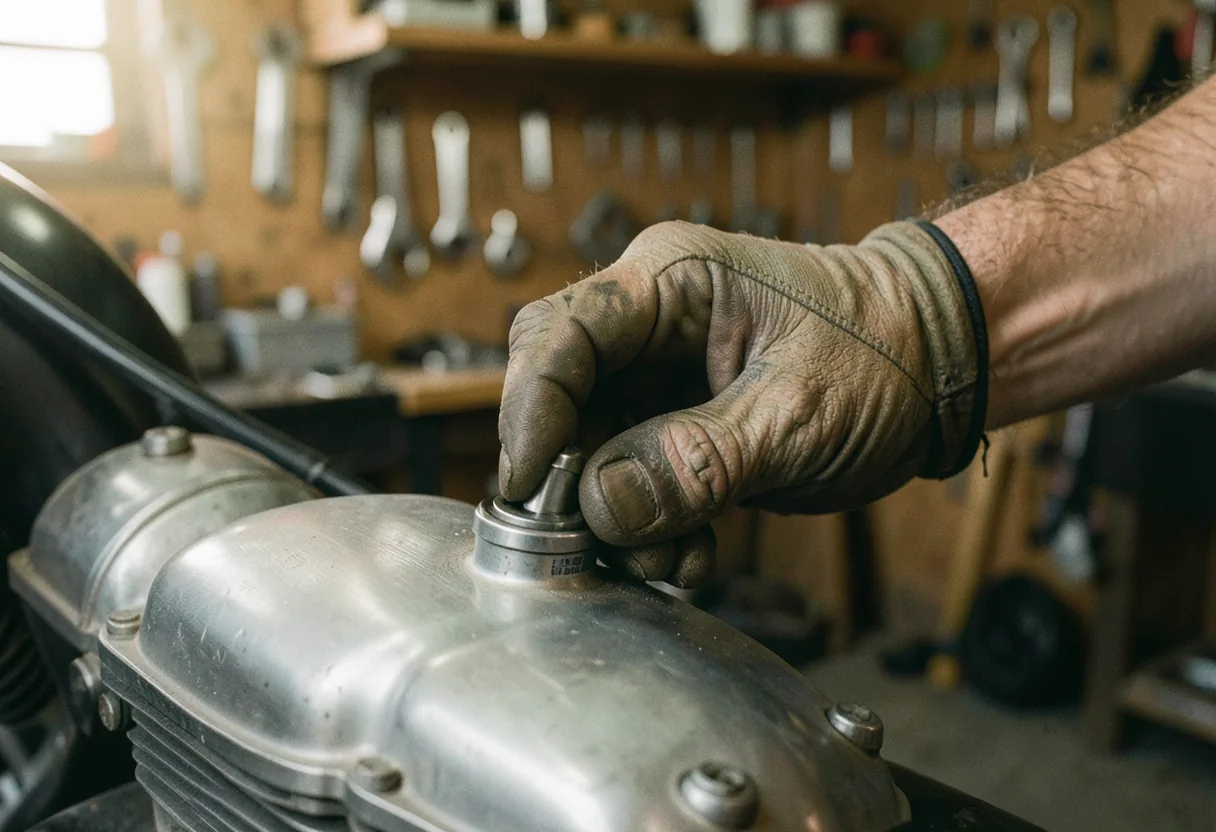
“Zen and the Art of Motorcycle Maintenance” is a 1974 novel by Robert M. Pirsig. While the full PDF may not be legally available for free, you can find excerpts online. The book blends a cross-country motorcycle trip with philosophical discussions on quality, technology, and Zen Buddhism. Check libraries or purchase the e-book legally for the complete text.
Zen and the Art of Motorcycle Maintenance: An Inquiry Into Values is a philosophical novel that blends motorcycle maintenance with deeper meditations on quality, technology, and life.
Think of it as a road trip where the motorcycle’s engine becomes a metaphor for your mind, every spark plug you clean is a thought you clarify, every carburetor you adjust is a perspective you refine.
Key facts
- The book was published in 1974 and became a cult classic, blending technical manual-style motorcycle maintenance with existential philosophy.
- It was written by Robert M. Pirsig, who initially struggled to publish it due to its unconventional style.
- The novel explores the dichotomy between “classical” and “romantic” values, using motorcycle maintenance as a lens.
- It has sold over 10 million copies worldwide and remains a staple in both philosophy and motorcycle culture.
01Where to Find the Zen and the Art of Motorcycle Maintenance PDF
If you’re looking for a digital copy of Zen and the Art of Motorcycle Maintenance PDF, the book is widely available through platforms like Amazon Kindle, Google Books, and Project Gutenberg, depending on the edition. The original text is now in the public domain, so you can often find free versions online. Just be cautious of unauthorized scans that might compromise readability.
The 1974 first edition is particularly sought after, as it contains subtle differences in phrasing and structure from later reprints. For motorcycle enthusiasts, the technical sections on maintenance, like the step-by-step guide to overhauling a motorcycle engine, are almost as valuable as the philosophical musings. The book’s enduring appeal lies in how it treats motorcycle maintenance as a form of meditation, where fixing a carburetor becomes a metaphor for fixing one’s life.
For those who want to dive deeper, the book’s structure mirrors a real-life motorcycle journey, with each chapter functioning like a pit stop. The narrative alternates between the protagonist’s personal reflections and detailed technical advice, creating a unique hybrid of genres. This duality is part of what makes the Zen and the Art of Motorcycle Maintenance PDF so compelling, it’s both a how-to manual and a philosophical treatise.

02Motorcycle Maintenance Lessons from the Book
The book’s technical sections are surprisingly practical, offering advice that still holds up today. For example, Pirsig describes the importance of using the right tools for the job, emphasizing that a poorly maintained motorcycle is a metaphor for a poorly maintained life. He advocates for meticulous cleaning and lubrication, noting that neglecting small issues leads to bigger problems, a lesson that applies to both mechanics and personal growth.
One of the most famous passages involves the protagonist teaching his son how to adjust the chain on a motorcycle. The step-by-step process isn’t just about mechanics; it’s about patience, attention to detail, and understanding the interconnectedness of parts. This aligns with the book’s broader theme: that quality is not just about the end result but the process of achieving it. The book’s technical advice is timeless, making it a valuable companion for anyone who wants to maintain a motorcycle or simply understand the philosophy behind it.
For those who want to apply these lessons, the book’s approach to troubleshooting is particularly useful. Pirsig advocates for a systematic approach, where you isolate problems one by one rather than rushing to fix everything at once. This methodical thinking is something that modern motorcycle maintenance classes, like those offered through Enrolling in a Motorcycle Maintenance Class, still emphasize today. The book’s blend of technical and philosophical advice makes it a unique resource for riders and thinkers alike.
03Philosophical Themes in the Book
The book’s central conflict is between “classical” and “romantic” values. Classical values prioritize rationality, structure, and the pursuit of quality, while romantic values emphasize emotion, intuition, and the inherent beauty of things. Pirsig argues that both are necessary but often at odds with each other. This tension is explored through the protagonist’s relationship with his motorcycle, where he sees maintenance as a way to reconcile these two approaches.
One of the book’s most famous sections is the discussion of “gumption traps”, psychological barriers that prevent people from completing tasks. Pirsig describes how frustration, fatigue, and self-doubt can derail even the most experienced mechanics. He offers practical advice on overcoming these traps, such as taking breaks, seeking help, and reframing problems as opportunities for learning. This philosophy is just as relevant to modern riders, who often face similar challenges when maintaining their bikes.
The book also delves into the nature of quality, arguing that it is not just a measurable standard but a subjective experience. Pirsig suggests that quality is what gives life meaning, and that the pursuit of it is a lifelong journey. This idea is woven throughout the book, from the protagonist’s obsession with fixing his motorcycle to his broader reflections on life. The philosophical depth of the book is why it continues to resonate with readers, long after its initial publication.
04Modern Applications of the Book’s Advice
While the book was written in the 1970s, its advice on motorcycle maintenance is still relevant today. For example, Pirsig’s emphasis on preventive maintenance, regularly checking fluids, adjusting chains, and cleaning parts, is a core principle of modern motorcycle care. Many of today’s riders follow these same practices, as outlined in guides like Harley Davidson Motorcycle Maintenance Guide. The book’s technical sections are surprisingly detailed, offering insights that even experienced mechanics can appreciate.
The book also offers timeless advice on troubleshooting. Pirsig advocates for a systematic approach, where you isolate problems one by one rather than rushing to fix everything at once. This methodical thinking is something that modern motorcycle maintenance classes, like those offered through Enrolling in a Motorcycle Maintenance Class, still emphasize today. The book’s blend of technical and philosophical advice makes it a unique resource for riders and thinkers alike.
05Comparing Different Editions of the Book
The Zen and the Art of Motorcycle Maintenance PDF is available in several editions, each with its own nuances. The 1974 first edition is the most sought-after, as it contains subtle differences in phrasing and structure from later reprints. For example, the original text includes more detailed technical descriptions of motorcycle maintenance, which were slightly streamlined in later editions. The first edition also has a different cover design, which collectors often seek out.
For those looking to buy a copy, the first edition is the most valuable but also the hardest to find. The revised edition from 1984 is a good alternative, as it includes minor edits for clarity while retaining most of the original text. Modern paperback editions, like the 2004 version, are more widely available and often include additional notes or introductions. The choice ultimately depends on whether you prioritize collectibility or accessibility.
06The Book’s Legacy and Influence
The influence of Zen and the Art of Motorcycle Maintenance extends far beyond motorcycle culture. It has been cited as an inspiration by philosophers, engineers, and artists alike. The book’s blend of technical and philosophical advice has made it a staple in both academic and popular discussions about quality and craftsmanship. For example, the book’s discussion of “gumption traps” has been referenced in psychology literature as a way to understand procrastination and motivation.
The book’s legacy is also evident in the numerous motorcycle clubs and forums dedicated to its themes. Many riders see the book as a manifesto for the importance of hands-on work and the pursuit of excellence. The book’s popularity has even led to the creation of motorcycle maintenance classes that incorporate its philosophy, like those offered through Enrolling in a Motorcycle Maintenance Class. The book’s enduring appeal lies in its ability to speak to both the technical and the philosophical aspects of life.
The book’s influence can also be seen in popular culture. For example, the TV show Sons of Anarchy references the book in several episodes, using it as a metaphor for the characters’ struggles with identity and purpose. The book’s themes of quality and craftsmanship resonate with the show’s portrayal of motorcycle culture, making it a fitting reference. This cultural impact is a testament to the book’s lasting relevance, even decades after its initial publication.
07How to Apply the Book’s Philosophy to Modern Motorcycle Maintenance
One of the most practical applications of the book’s philosophy is in preventive maintenance. Pirsig emphasizes the importance of regular checks and adjustments, arguing that neglecting small issues leads to bigger problems. This principle is just as relevant today, as modern motorcycles require careful attention to detail. For example, regularly checking the chain tension, lubricating moving parts, and inspecting the brakes can prevent costly repairs down the line.
Another key takeaway from the book is the importance of understanding your motorcycle’s mechanics. Pirsig advocates for a deep, hands-on understanding of how each part functions and interacts with the others. This knowledge not only makes you a better mechanic but also enhances your appreciation of the machine. For those who want to learn more, resources like Harley Davidson Motorcycle Maintenance Guide offer detailed guides on motorcycle maintenance, incorporating many of the principles discussed in the book.
The book also encourages a mindful approach to maintenance. Pirsig suggests that the act of fixing a motorcycle can be a form of meditation, where you focus entirely on the task at hand. This mindset can make the process more enjoyable and fulfilling. For example, taking the time to clean and polish your motorcycle can be a rewarding experience, as it allows you to connect with the machine on a deeper level. This philosophy is something that many modern riders embrace, as they seek to balance the technical and emotional aspects of motorcycle ownership.
08Final Thoughts on the Zen and the Art of Motorcycle Maintenance PDF
The enduring appeal of Zen and the Art of Motorcycle Maintenance lies in its unique blend of technical advice and philosophical reflection. The book’s exploration of quality, craftsmanship, and the pursuit of meaning resonates with readers from all walks of life. For motorcycle enthusiasts, the book offers practical insights into maintenance, while for philosophers, it provides a compelling framework for understanding the human experience. The book’s legacy is a testament to its universal themes, which continue to inspire and challenge readers today.
For those who want to dive into the book, the Zen and the Art of Motorcycle Maintenance PDF is widely available through platforms like Amazon Kindle and Google Books. Whether you’re a seasoned rider or a curious thinker, the book offers a rich and rewarding reading experience. So, grab a copy, find a quiet spot, and let the journey begin.
09Frequently asked questions
Is 'Zen and the Art of Motorcycle Maintenance' a technical manual?
No. Robert Pirsig's 1974 book blends philosophy, psychology, and autobiography around a cross-country motorcycle trip. It explores Quality as a unifying concept, not engine maintenance. The PDF guide focuses on Pirsig’s ideas, not wrenches.
What’s the ‘Chautauqua’ in the book?
A traveling lecture circuit popular in early 20th-century America. Pirsig uses it as a metaphor for open, Socratic dialogue. The PDF guide highlights how this concept challenges rigid academic thinking, not just motorcycle culture.
Why is the book banned in some schools?
Critics cite its critique of postmodernism and references to mental illness. Pirsig was electroconvulsive therapy in 1961. The PDF guide notes these controversies but focuses on the book’s philosophical core, not censorship debates.
Can the book’s ideas apply to modern tech?
Absolutely. Pirsig’s Quality rejects rigid classifications, which resonates with agile methodologies. The PDF guide cites Silicon Valley engineers who credit the book for shaping their user-centered design approaches.