
Enrolling in a Motorcycle Maintenance Class
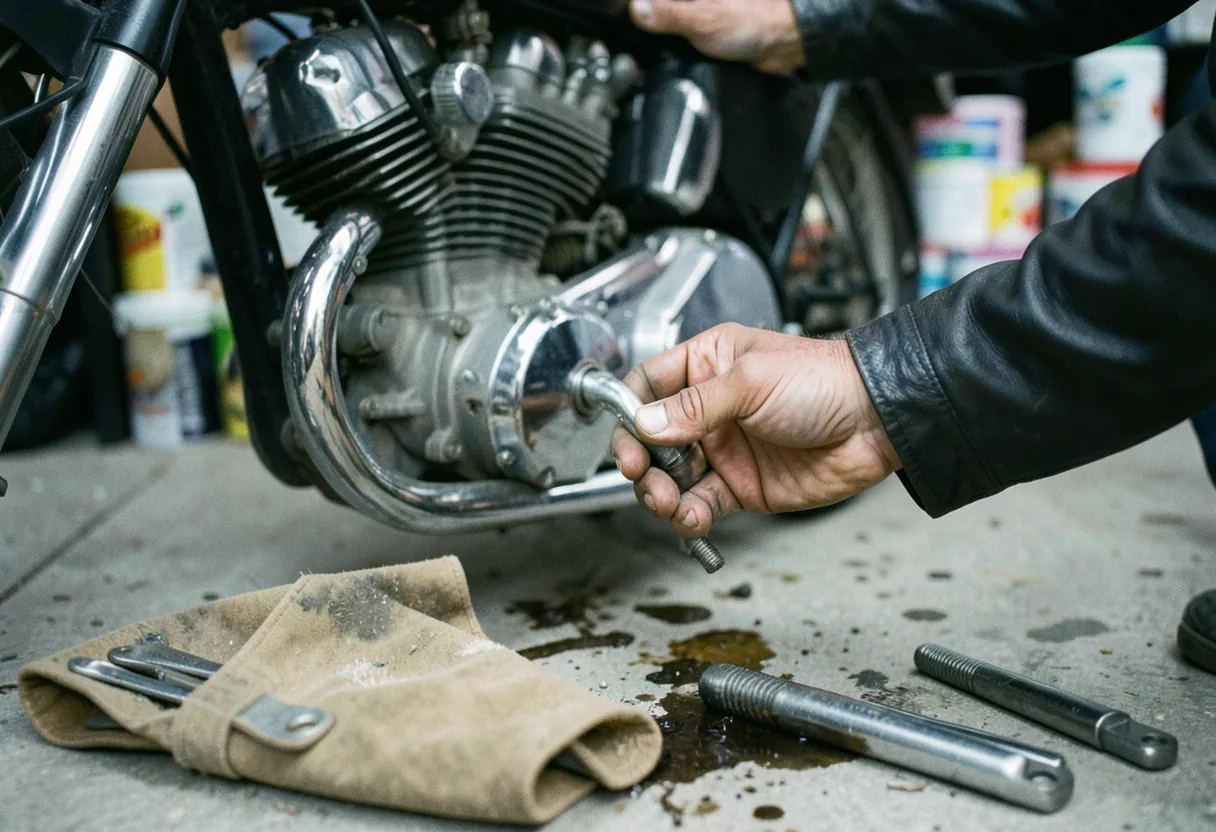
Motorcycle maintenance classes teach essential skills like oil changes, tire pressure checks, and brake inspections. Many courses, such as those offered by Harley-Davidson, include hands-on practice. Expect to learn basic diagnostics and safety procedures.
A motorcycle maintenance class teaches riders hands-on skills to keep their bikes running safely and efficiently.
Think of it like learning to cook from a chef rather than just ordering takeout. Instead of relying on a mechanic, you’ll learn to diagnose issues, perform routine upkeep, and even handle minor repairs yourself, like adjusting your chain or changing your oil.
Key facts
- Classes range from beginner-friendly basics to advanced engine diagnostics.
- Hands-on workshops typically use real motorcycles for practical experience.
- Certification options exist for those who want professional credentials.
- Some brands, like Harley-Davidson, offer manufacturer-specific training.
01Why Take a Motorcycle Maintenance Class?
Riding is freedom, but neglecting maintenance can turn that freedom into a breakdown on the side of the road. A motorcycle maintenance class teaches you how to extend your bike’s life, save money on repairs, and spot problems before they become costly. For example, learning to check tire pressure and tread depth can prevent accidents, while knowing how to adjust your valves ensures your engine runs smoothly. The first time I really looked at a motorcycle engine after a class, I saw it as a puzzle I could solve, not a mystery I had to pay someone else to fix.
Beyond mechanics, these classes build confidence. When you understand how your bike works, you ride with more awareness. You’ll know when that strange noise is just road grit or a sign of trouble. And if you ever want to customize your ride, maintenance skills are the foundation for modifications like exhaust upgrades or suspension adjustments.

02What to Expect in a Motorcycle Maintenance Class
Most classes follow a structured curriculum, starting with basic safety and tool usage before diving into specific systems. Expect to learn about lubrication, braking systems, electrical components, and engine care. For instance, a typical “Introduction to Motorcycle Maintenance” might cover changing oil, replacing brake pads, and checking fluid levels. Advanced classes might include carburetor tuning or diagnosing electrical faults. Some schools, like those affiliated with Harley-Davidson, focus on brand-specific models, teaching nuances like the cooling system of a Milwaukee-Eight engine. Others, like community college courses, offer broader training applicable to any bike.
Classes vary in length, from weekend workshops to multi-week courses. Hands-on practice is standard, so expect to get grease under your nails. Some programs even provide loaner bikes for students who don’t own one yet. Certification, if offered, usually requires passing a written exam and demonstrating practical skills. For example, the Motorcycle Mechanics Institute offers a Pit Pass Pro program that prepares students for professional work.
03How to Choose the Right Motorcycle Maintenance Class
Start by assessing your goals. Are you looking to perform basic upkeep, or do you want to pursue motorcycle mechanics as a career? Beginner classes focus on routine tasks like chain lubrication and tire changes, while advanced courses cover diagnostics and repairs. For example, a class at a local community college might teach you to replace a clutch, while a dealer-sponsored workshop could specialize in electronic fuel injection systems. Research the instructor’s credentials, ideally, they should have real-world experience as mechanics or technicians. Reviews from past students can also reveal whether the class is hands-on or overly theoretical.
Consider the logistics: class size, location, and schedule. Smaller classes mean more personalized attention, which is crucial for learning practical skills. If you’re short on time, look for intensive weekend courses. Some schools, like Harley-Davidson Riding Academy, offer modular training, letting you pick and choose topics. Online options, such as video courses from Zen and the Art of Motorcycle Maintenance, can supplement hands-on learning but won’t replace the experience of working on a real bike.
04Costs and Certifications
Prices vary widely depending on the depth of training and duration. A single-day workshop might cost $150-$300, covering basics like oil changes and tire maintenance. Multi-week courses or certification programs can range from $1,000 to $5,000. Some schools offer payment plans or financing. Certifications, like those from the Motorcycle Mechanics Institute, can add value if you plan to work professionally, while informal classes are often enough for hobbyists. Here’s a quick breakdown of costs and what they include:
05Online vs. In-Person Motorcycle Maintenance Classes
Online classes offer flexibility, making them ideal for busy schedules. Platforms like Udemy or YouTube provide video tutorials on everything from spark plug replacement to suspension tuning. However, they lack hands-on practice, which is critical for learning tactile skills like torqueing bolts or setting valve clearance. In-person classes, on the other hand, let you work directly with instructors and peers, asking questions in real time. For example, a local community college might offer a weekend class where you practice changing brake fluid under supervision. If you’re new to mechanics, in-person training is worth the investment.
Hybrid options combine the best of both worlds. Some schools provide online theory modules followed by in-person labs. This approach is especially useful for complex topics like engine diagnostics, where you need to see and hear the bike in action. For instance, a class might teach you to diagnose misfires via an online video, then let you practice with real diagnostic tools in a workshop setting.
06Essential Tools for Motorcycle Maintenance
Before enrolling, check if the class provides tools or if you need to bring your own. Basic tools include wrenches, screwdrivers, pliers, and socket sets. Specialized tools, like a torque wrench or valve-adjustment tools, are often provided during class but useful to own later. Here’s a quick reference table for essential tools:
07Advanced Motorcycle Maintenance Classes
For those ready to go beyond the basics, advanced classes dive into complex systems like fuel injection, suspension tuning, and engine rebuilding. These courses often target experienced riders or aspiring mechanics. For example, a class on electronic fuel injection might teach you to troubleshoot fault codes using diagnostic software. Engine rebuilding classes, like those offered by the Motorcycle Mechanics Institute, cover disassembly, machining, and assembly of engines. Some schools even offer specialized training on high-performance bikes, teaching techniques like porting and polishing cylinder heads. These classes often require prerequisites, so check the requirements before enrolling.
Advanced classes also cover customization and performance tuning. Learn to modify your bike’s suspension for better handling or upgrade its exhaust for more power. For instance, a class might teach you how to install a new Screamin’ Eagle exhaust system on a Harley-Davidson. These skills are valuable whether you’re tuning your own ride or working professionally. Expect to invest more time and money, but the payoff is deeper knowledge and more job opportunities.
08Next Steps After Your Motorcycle Maintenance Class
After completing a class, practice regularly to reinforce your skills. Start with simple tasks like checking tire pressure or cleaning your air filter. Gradually tackle more complex projects, like adjusting your valves or replacing your brake pads. Join online forums or local riding groups to share knowledge and ask questions. For example, the Harley Owners Group (H.O.G.) offers resources and meetups for Harley riders. If you’re interested in professional work, consider apprenticeships or further certification. Many motorcycle shops hire based on hands-on experience and certifications.
Keep learning! Motorcycle technology evolves, so stay updated on new systems like ride-by-wire throttles or advanced traction control. Manufacturers often release maintenance manuals and online tutorials for their latest models. For instance, Harley-Davidson provides detailed service manuals on their website. Whether you’re maintaining your own bike or pursuing a career, continuous learning will keep you ahead of the curve.
Takeaways: Start with a hands-on class to build confidence, then practice regularly. Join a community to share experiences and stay updated on new technologies.
09Frequently asked questions
What basic tools do I need for a motorcycle maintenance class?
You’ll need essentials like a socket set, wrenches, screwdrivers, pliers, and a chain breaker. Many classes provide loaner tools, but check with your instructor. For example, a Harbor Freight 187-piece socket set covers most needs. Avoid cheap tools that can damage bolts.
How long does a typical motorcycle maintenance course take?
Most courses run 8-16 hours, split over 1-3 days. For instance, the Motorcycle Mechanics Institute in Phoenix offers a 10-hour introductory course. Some community colleges, like Lane in Oregon, provide multi-week evening classes for deeper dives into specific systems.
What’s the cost of enrolling in a motorcycle maintenance class?
Prices range from $100 to $500. Local community colleges often charge less, around $150 for a weekend workshop. Private schools like Yamaha’s YMST in Georgia cost more but include hands-on training with factory technicians. Check for discounts if you own a Yamaha or Honda.
Can beginners take a motorcycle maintenance class?
Absolutely. Many classes, like the ones at RevZilla’s locations, start with zero experience. You’ll learn basics like oil changes, tire pressure checks, and brake adjustments. Advanced classes cover carburetor tuning or valve adjustments, but beginners focus on safety and simple repairs.