
Building Your Motorcycle Maintenance Kit
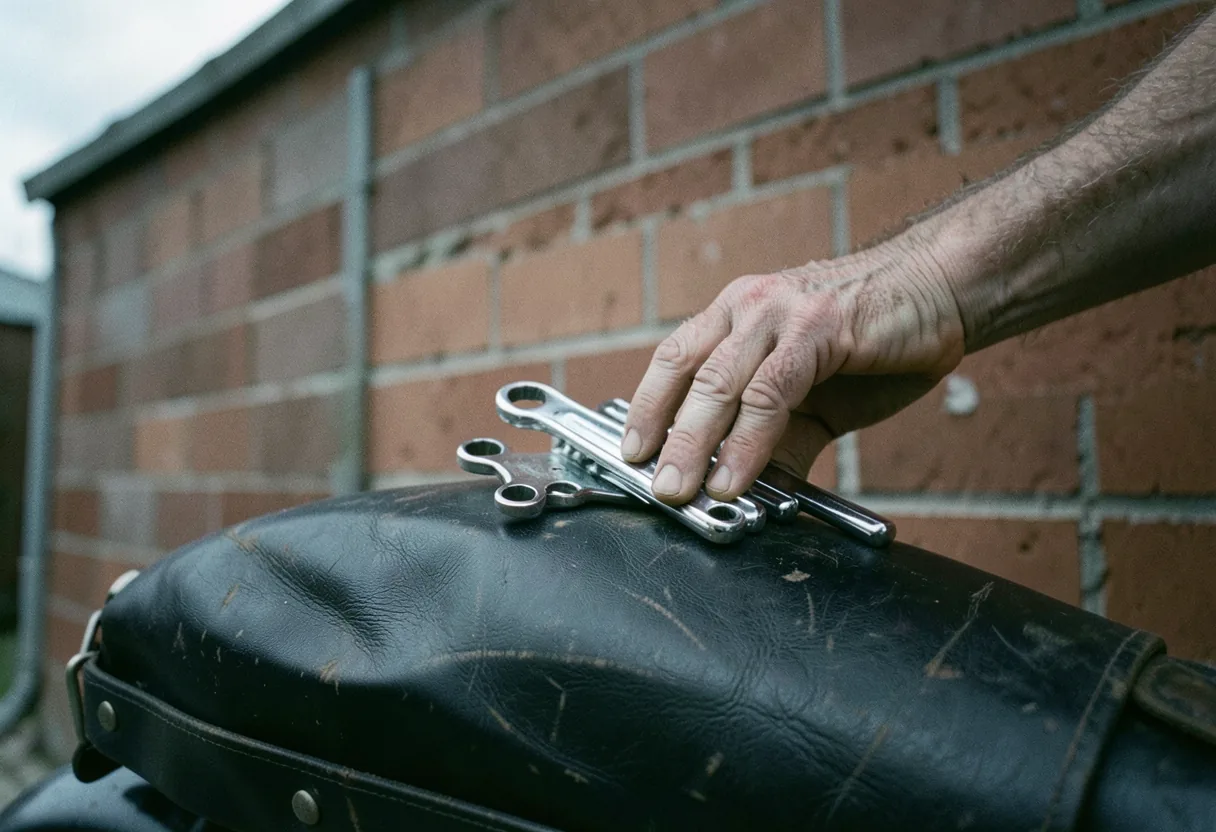
A basic motorcycle maintenance kit includes a tire pressure gauge, chain cleaner, brake fluid, and spark plug wrench. For more comprehensive maintenance, add a multitool, chain lubricant, and a 10mm socket set. Check your owner’s manual for specific tool recommendations.
A motorcycle maintenance kit is a collection of tools and supplies designed to keep your bike in top condition, whether you’re handling routine checks or unexpected repairs on the road.
Think of it like a first-aid kit for your bike, a compact, organized set of essentials that can diagnose and treat common ailments, from a punctured tire to a failing chain.
Key facts
- A well-stocked motorcycle maintenance kit typically includes basic hand tools, cleaning supplies, lubricants, and consumables like spare fuses and bulbs.
- According to the Motorcycle Safety Foundation, regular maintenance can extend the life of your bike by up to 50%.
- Portable kits often come in rugged, waterproof cases, making them ideal for travelers or commuters.
- Essential items like a chain breaker, tire pressure gauge, and brake cleaner are non-negotiable for DIY mechanics.
- Advanced kits may include specialized tools such as valve stem tools and spark plug sockets.
01Essential components of a motorcycle maintenance kit
At its core, a motorcycle maintenance kit should address the most common issues riders face. The first time I really looked at my bike’s maintenance needs, I realized how often minor problems, like a loose bolt or a dirty chain, could be fixed with the right tools on hand.
Whether you’re a seasoned rider or a beginner, having a well-stocked kit ensures you’re prepared for anything. Below is a breakdown of the essentials.

02Portable vs. home-based motorcycle maintenance kits
Portable kits are designed for riders who need to perform quick fixes on the road, while home-based kits are more comprehensive and suited for in-depth maintenance.
03Portable motorcycle maintenance kit
A portable motorcycle maintenance kit is ideal for riders who need to address minor issues while on the road. These kits are compact, often fitting into a saddlebag or under the seat, and include the essentials for quick fixes.
For example, the Motul Chain Cleaning Kit is a popular choice among commuters due to its compact design and effectiveness in maintaining chain health. The main drawback is that they lack the depth of a home-based kit, so they’re not suitable for major repairs. However, for everyday commuting or long-distance travel, a portable kit is indispensable.
04Home-based motorcycle maintenance kit
For riders who prefer to handle most maintenance tasks at home, a home-based kit is the way to go. These kits are more extensive, often including specialized tools like torque wrenches, chain breakers, and tire changers.
The Craftsman Motorcycle Repair Kit is a comprehensive option that includes a wide range of tools for detailed maintenance. The downside is their bulk and cost, but the investment pays off in the long run by allowing you to perform a wide range of repairs without professional help.
05Advanced tools for serious DIY mechanics
If you’re serious about motorcycle maintenance, investing in advanced tools can make a significant difference. These tools are designed for more complex repairs and can help you tackle issues that basic kits can’t handle.
06How to choose your motorcycle maintenance kit
- Assess your riding habits: Are you a daily commuter, a weekend adventurer, or a DIY enthusiast?
- Consider your bike’s age and condition: Older bikes may need more frequent maintenance.
- Budget: Determine how much you’re willing to spend on tools and supplies.
- Storage space: Do you have room for a home-based kit, or do you need something portable?
- Skill level: Match the kit’s complexity to your mechanical skills and experience.
Building your motorcycle maintenance kit is a crucial step in ensuring your bike’s longevity and reliability. Whether you opt for a portable kit for on-the-go repairs or a comprehensive home-based setup, having the right tools at your disposal makes all the difference.
For more in-depth maintenance tips, check out our guide on Motorcycle Chain Maintenance: Tips & Techniques or explore the best tools for motorcycle maintenance in our article on Top Tools for Motorcycle Maintenance. Stay proactive, and your bike will thank you with smooth rides and fewer breakdowns.
Don’t forget to check out the Motorcycle Mechanics Institute for advanced training and certification programs if you’re serious about DIY maintenance.
Keep your kit updated, and you’ll always be ready to tackle whatever the road throws at you.
07Frequently asked questions
What are the essential tools for a basic motorcycle maintenance kit?
Start with a 10mm and 12mm socket set, most motorcycles use these sizes. Add a breaker bar for leverage, a torque wrench to avoid overtightening fasteners, and a set of metric hex wrenches. Throw in pliers, screwdrivers, and a spark plug wrench for common adjustments. A tire pressure gauge and chain breaker are also vital if you ride a chain-driven bike.
How often should I change my motorcycle’s oil?
For most bikes, every 3,000 to 5,000 miles is standard. Check your owner’s manual, Harley-Davidson, for example, recommends 5,000 miles for their synthetic blends. Use a good oil filter and drain plug crush washer each time. Keep a log to track changes, especially if you ride in dusty or extreme conditions.
What should I include for on-the-go repairs?
Carry a puncture repair kit if your bike has tubeless tires. A small tire inflator, zip ties, and electrical tape can fix minor issues. Pack a multitool like Leatherman’s Wave+ for quick adjustments. A compact first-aid kit and reflective gear are smart additions for safety.
How do I store my motorcycle maintenance kit?
Use a sturdy plastic toolbox with compartments, this keeps tools organized and protected from moisture. Label drawers or bins for easy access. Hang it in your garage or store it in a pannier if you travel often. Keep consumables like oil and filters in a cool, dry place, away from direct sunlight.