
How to Perform Motorcycle Clutch Maintenance
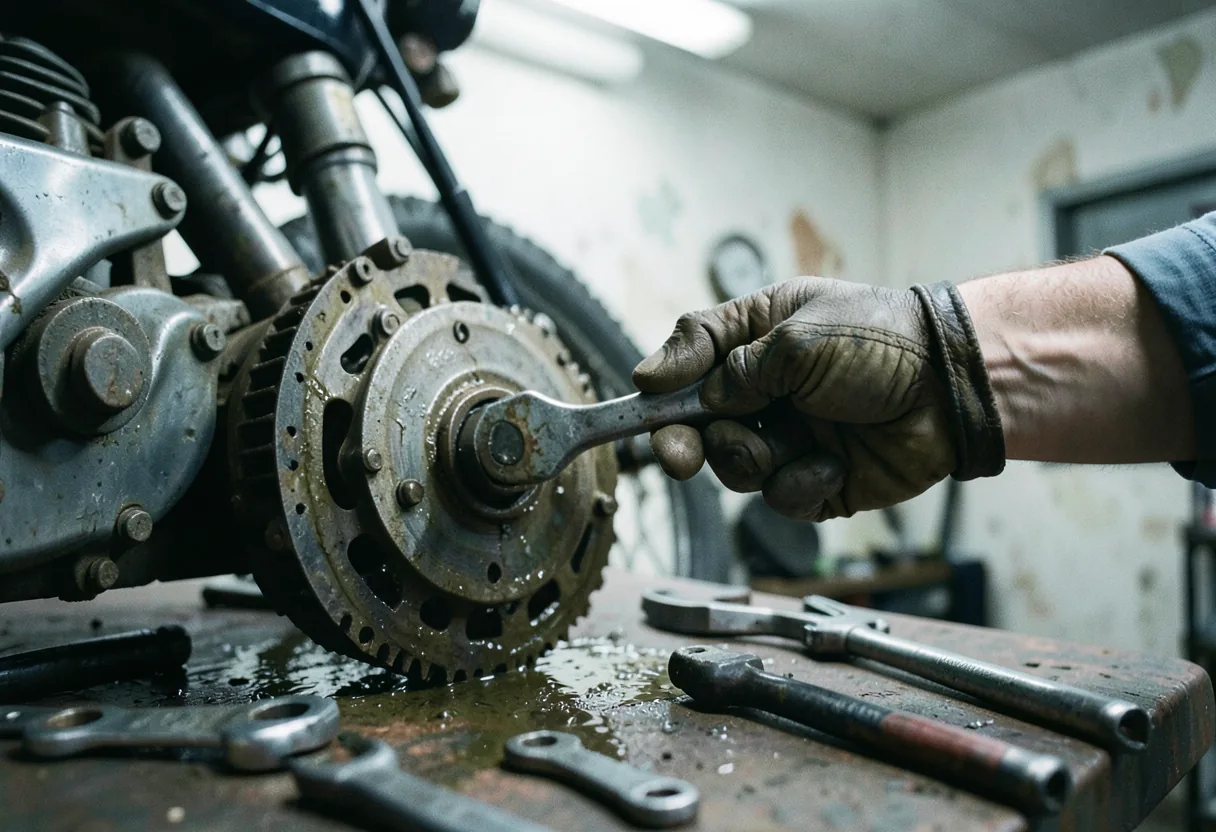
Regularly check your motorcycle’s clutch for wear, especially if you ride often. Replace the clutch plates every 20,000 to 50,000 miles, depending on usage. Use high-quality oil like Motul 7100 for smooth operation. Adjust the clutch cable periodically for optimal tension.
Motorcycle clutch maintenance is the process of inspecting, cleaning, adjusting, and replacing components of your motorcycle’s clutch system to ensure optimal performance and longevity.
Think of your motorcycle’s clutch like the gearstick in a manual car, it’s what lets you smoothly transition between power and coasting, and just like a car’s gearbox, it needs regular checks to keep it running right.
Key facts
- Neglecting clutch maintenance can lead to slipping, dragging, or complete failure, leaving you stranded.
- A well-maintained clutch can extend the life of your motorcycle’s engine and transmission.
- Clutch maintenance tasks include checking cable tension, inspecting hydraulic fluid, and replacing worn components.
- Modern motorcycles often use multi-plate clutches, which require more frequent attention than older, simpler designs.
01What you need
- A motorcycle maintenance stand (like the Pit Bull PB-0029)
- A clutch adjustment tool (specific to your bike’s make and model)
- High-quality hydraulic fluid (if your bike has a hydraulic clutch)
- A torque wrench (to ensure proper tightening of components)
- Glasses and gloves for safety
- A clean workspace with good lighting
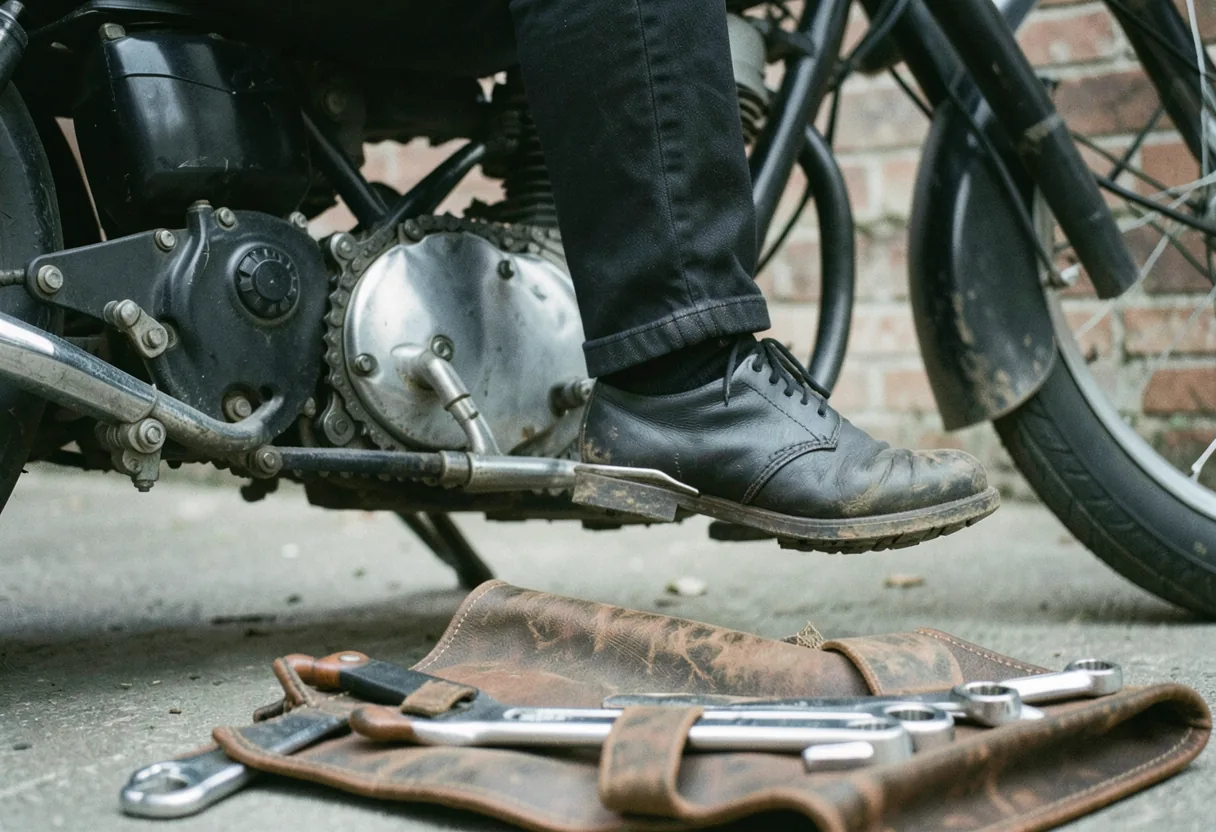
02Step-by-step motorcycle clutch maintenance
- **Inspect the clutch cable or hydraulic line**: Start by locating the clutch cable or hydraulic line. Look for any signs of wear, fraying, or leaks. If you spot any issues, replace the cable or repair the leak before proceeding.
- **Check cable tension or hydraulic fluid level**: For cable-operated clutches, ensure the cable is properly tensioned. For hydraulic clutches, check the fluid level and top off if necessary with the manufacturer-recommended fluid.
- **Adjust the clutch lever free play**: Using your clutch adjustment tool, adjust the free play at the lever. The exact process varies by motorcycle, so consult your owner’s manual for specific instructions. Typically, you’ll want about 2-3mm of free play at the lever.
- **Inspect the clutch plates**: Remove the clutch cover (you’ll need a socket set and possibly a breaker bar for this). Once the cover is off, inspect the clutch plates for wear, damage, or oil contamination. If the plates are worn down to less than 1mm thick, or if they’re contaminated with oil, they’ll need to be replaced.
- **Check the clutch springs**: Inspect the clutch springs for signs of sagging or weakness. If they’re not holding their shape, it’s time to replace them. Also, ensure the springs are the correct length for your motorcycle’s make and model.
- **Lubricate pivot points**: Apply a small amount of high-temperature grease to the clutch lever pivot point and any other moving parts. This will help reduce wear and ensure smooth operation.
- **Reassemble the clutch**: Carefully reinstall the clutch cover, ensuring all bolts are torqued to the manufacturer’s specifications (usually around 10-12 Nm).
- **Test the clutch**: Start your motorcycle and test the clutch’s engagement point. It should engage smoothly and at the same point in the lever’s travel each time. If it doesn’t, you may need to readjust the cable tension or hydraulic fluid level.
- **Check for proper operation**: Take your motorcycle for a short ride, paying close attention to the clutch’s performance. It should engage and disengage smoothly, without slipping or dragging. If you notice any issues, revisit the previous steps to troubleshoot.
03Common motorcycle clutch maintenance mistakes to avoid
Over-tightening the clutch cable can lead to premature wear on the clutch plates and difficulty shifting gears. Always follow the manufacturer’s recommended free play specifications.
Using the wrong type of hydraulic fluid can damage your clutch system. Always use the fluid specified in your owner’s manual.
Neglecting to inspect the clutch plates regularly can result in unexpected failure. Make clutch inspection part of your regular maintenance routine.
Failing to replace worn or damaged clutch components can lead to costly repairs down the road. If a part is worn or damaged, replace it promptly.
04Motorcycle clutch maintenance for different clutch types
Not all motorcycles have the same type of clutch. Here’s a quick overview of the most common types and their specific maintenance needs.
05Motorcycle clutch maintenance schedule
Regular motorcycle clutch maintenance is key to keeping your bike running smoothly. Here’s a suggested maintenance schedule to follow.
06Motorcycle clutch maintenance tools
Having the right tools on hand can make motorcycle clutch maintenance a breeze. Here are some essential tools to have in your toolkit.
- Clutch adjustment tool (specific to your bike’s make and model)
- Torque wrench
- Socket set
- Breaker bar
- High-temperature grease
- Glasses and gloves for safety
The first time I really looked at a motorcycle clutch up close, I was struck by how many moving parts there are. Each one plays a crucial role in ensuring smooth operation, and neglecting any of them can lead to big problems down the road. That’s why regular inspection and maintenance are so important.
For more detailed information on motorcycle clutch maintenance, consult your owner’s manual or check out resources from the Motorcycle Safety Foundation. They offer a wealth of information on motorcycle maintenance and safety.
Remember, a well-maintained clutch is key to a smooth, enjoyable ride. By following these steps and staying on top of regular maintenance, you can ensure your motorcycle’s clutch stays in top condition for miles to come.
07Frequently asked questions
How often should I check my motorcycle's clutch cable?
Inspect the clutch cable every 5,000 miles. Look for fraying, kinks, or rust. A quick adjustment can prevent slipping or a stuck clutch. Use the adjustment barrel near the handlebar to tighten or loosen the cable, following your manual's torque specs.
What's the best way to clean a motorcycle clutch?
Clean the clutch plates and basket with brake cleaner and a stiff brush. Remove the clutch cover and inspect for wear. Replace any plates with less than 1mm of friction material. Torque the cover bolts to 25 Nm in a star pattern.
How do I know if my motorcycle needs a clutch replacement?
Difficulty shifting, a burning smell, or slipping gears signal a worn clutch. A clutch that doesn’t fully disengage when pulling the lever may need replacement. Check for loose or broken springs and worn splines on the clutch basket.
Can I adjust a hydraulic clutch system myself?
Yes, but it’s trickier than a cable system. Bleed the system annually using DOT 4 brake fluid. Pump the lever to remove air bubbles. If the clutch feels spongy, check the master and slave cylinders for leaks. Replace seals if necessary.