
Essential Motorcycle Tire Maintenance Guide
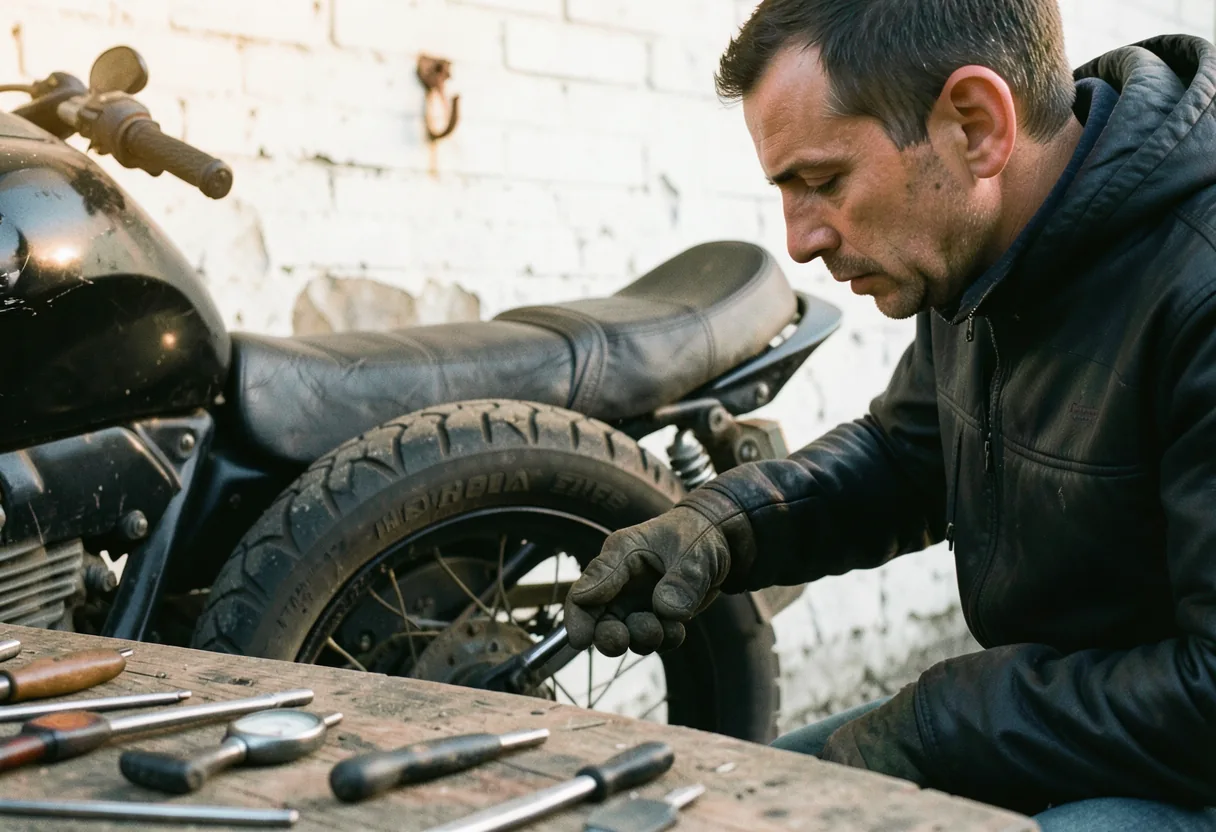
Regular tire maintenance keeps motorcycles running safely and efficiently. Check tire pressure weekly with a gauge, targeting 32-36 psi for most bikes. Inspect tread depth monthly; replace tires when worn below 1/16 inch. Rotate tires every 5,000 miles to extend lifespan. Clean tires with soap and water to remove debris. Balance tires annually for smoother rides.
01Motorcycle tire maintenance: The 5-minute safety ritual every rider must master
Motorcycle tire maintenance is the practice of regularly inspecting, inflating, and replacing motorcycle tires to ensure optimal performance, safety, and longevity.
Think of your motorcycle tires like the soles of your boots, if they’re worn out or cracked, you’re asking for a slip. Just as you’d check your boots before a hike, your tires need the same attention before every ride.
Key facts
- Motorcycle tires should be inflated to the manufacturer’s recommended PSI, typically found on a sticker inside the rider’s seat or in the owner’s manual.
- Tire tread depth should be checked regularly, with a minimum of 2/32 inches required by law in most U.S. states.
- Alignment issues can cause uneven tire wear, reducing tire lifespan and compromising safety.
- Using a quality tire pressure gauge and a reliable air compressor is essential for accurate maintenance.
- Temperature changes can affect tire pressure, so check it more frequently in extreme weather conditions.
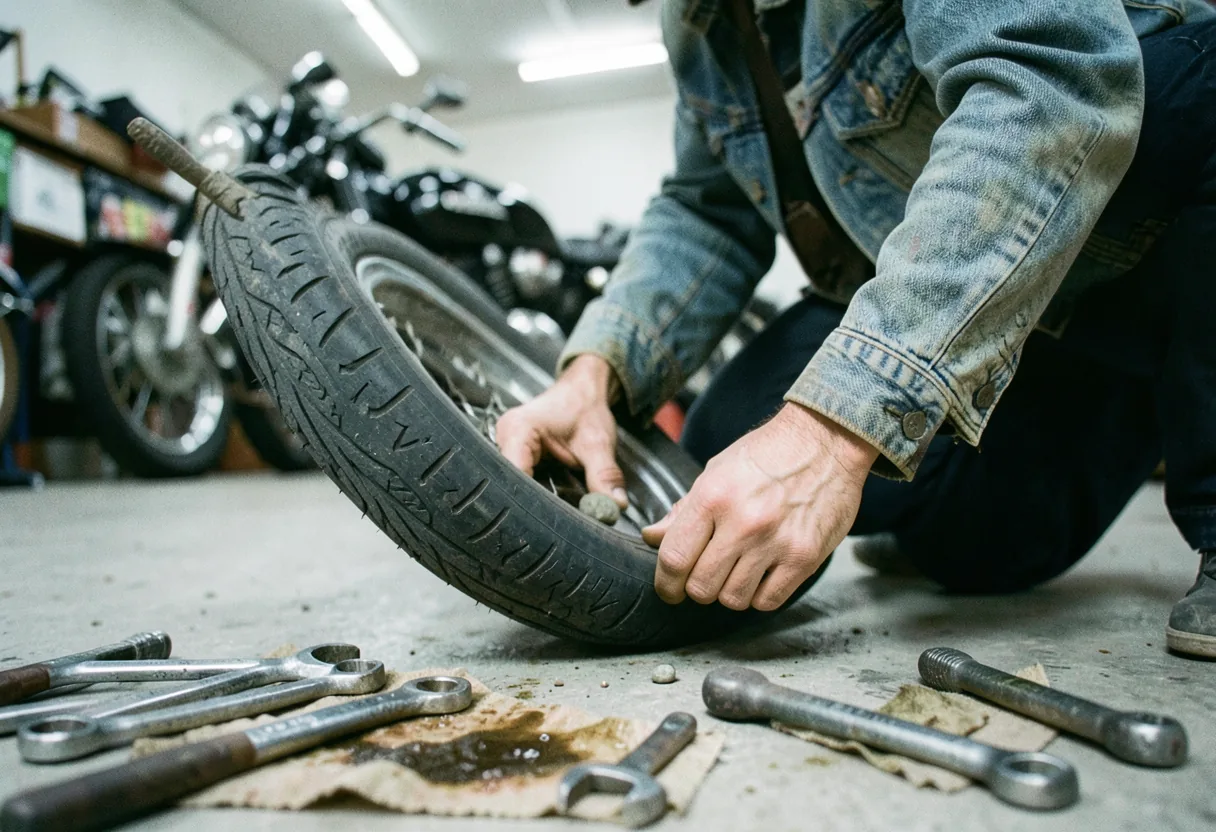
02Why motorcycle tire maintenance matters
Think of your motorcycle tires as the only four contact points between you and the road. Ignoring them is like driving with your eyes closed, eventually, you’ll pay for it. Proper tire maintenance ensures grip, stability, and longevity, keeping you safe and saving you money in the long run. Neglect them, and you’ll face premature wear, reduced handling, and even dangerous blowouts.
The basics of motorcycle tire maintenance
Motorcycle tire maintenance involves three core tasks: checking pressure, inspecting tread depth, and monitoring wear patterns. These simple steps can prevent accidents and extend tire life. For example, underinflated tires overheat and wear unevenly, while overinflated tires reduce traction and make the ride harsh.
The first time I really looked at my tires up close, I noticed subtle cracks and uneven wear I’d never spotted before. That’s when I realized how much difference regular checks make. Even small issues, like a slow leak or an embedded nail, can escalate quickly if ignored.
03Motorcycle tire maintenance: Pressure, tread, and tools
Tire pressure is your first line of defense. Underinflated tires sag under the bike’s weight, increasing rolling resistance and fuel consumption. Overinflated tires reduce grip, making the ride unstable. Check pressure when tires are cold, using a quality gauge like the Accutire MS-4300B. Always inflate to the manufacturer’s specs, never the tire’s sidewall maximum, which is a safety limit, not an ideal.
Tire tread depth
Tread depth determines grip, especially in wet conditions. Use a tread depth gauge (like the Motion Pro Tire Tread Depth Gauge) to measure wear. If tread is below 2/32 inches, replace the tire immediately, it’s legally unsafe. For reference, most new tires start with 8/32 to 10/32 inches.
Monitoring wear patterns
Uneven wear indicates alignment or suspension issues. Center wear suggests overinflation; edge wear means underinflation. Cupping (scalloped wear) points to suspension problems. If you spot these, visit a mechanic, ignoring them will cost more later.
04Motorcycle tire maintenance tools
Basic tools include a tire pressure gauge, tread depth gauge, and a portable air compressor (like the Slime 40022 Tire Inflator). For deeper maintenance, consider tire irons and a bead breaker if you plan to change tires yourself. But unless you’re experienced, leave tire replacement to professionals, it’s dangerous without the right setup.
Tire pressure chart
Here’s a quick reference for common motorcycle tire pressures (always verify with your owner’s manual).
05How to perform a tire inspection
Inspecting your tires takes minutes and can prevent disasters. Here’s how:
- Check pressure with a reliable gauge.
- Examine tread depth with a gauge.
- Look for cracks, bulges, or embedded objects.
- Assess wear patterns for alignment issues.
- Test for slow leaks by spraying soapy water on the tire and valve, bubbles mean a leak.
06Choosing the best tire pressure gauge
Not all gauges are equal. For accuracy, choose a digital gauge like the Accutire MS-4300B. Analog gauges can be less precise, especially if damaged. Avoid cheap dial gauges, they often give false readings. Invest in a quality tool; your safety depends on it.
Tire maintenance for different conditions
Adjust tire pressure based on conditions. Lower pressure improves grip in wet or off-road riding, but don’t go below the manufacturer’s minimum. For track days, some riders increase pressure slightly for stability at high speeds.
When to replace motorcycle tires
Replace tires if tread is below 2/32 inches, if the tire has cuts or bulges, or if it’s over five years old (check the DOT code). Even with good tread, aged rubber becomes brittle and unsafe. When in doubt, consult a professional.
07Motorcycle tire maintenance schedule
Create a simple routine:
- Weekly: Check pressure and visually inspect for damage.
- Monthly: Measure tread depth and examine wear patterns.
- Every 6 months: Test for slow leaks and check valve stems.
- Annually: Consider a professional tire inspection.
By sticking to this schedule, you’ll catch issues early and keep your ride safe. The chain and battery also need regular checks, don’t neglect them either.
Tire maintenance courses and resources
For those eager to deepen their knowledge, consider enrolling in a motorcycle maintenance course. The , for instance, offers comprehensive programs covering tire maintenance and more. Additionally, resources like the provide practical tips and tricks.
For a deeper dive into motorcycle maintenance, explore the tools you need and the best stands to simplify the process.
08How to choose the right motorcycle tires
Choosing the right motorcycle tires depends on your riding style, the bike’s intended use, and the typical road conditions you encounter. Here’s a comparison of popular tire options across different categories:
09How to choose
Choosing the right tires for your motorcycle involves considering several factors:
- Riding Style: Are you a weekend cruiser, a daily commuter, or a track enthusiast? Your riding style dictates the type of tire you need.
- Bike Type: Sportbikes, cruisers, adventure bikes, and scooters each have specific tire requirements.
- Road Conditions: If you frequently ride in wet or off-road conditions, opt for tires with better wet grip and tread patterns designed for such environments.
- Budget: Higher-quality tires often come with a higher price tag but offer better performance and longevity. Balance your budget with your safety needs.
- Tread Life: Consider how often you’re willing to replace your tires. Longer tread life means fewer replacements but might come at the cost of grip.
Proper motorcycle tire maintenance is non-negotiable. It’s the difference between a safe ride and a catastrophic failure. Take five minutes every week, your tires (and your life) will thank you.
For more in-depth information on motorcycle tires, check out the .
10Frequently asked questions
How often should I check my motorcycle's tire pressure?
Check tire pressure every two weeks using a high-quality gauge like the Motion Pro Tire Pressure Gauge. Proper pressure extends tire life and improves handling. For example, a rear tire on a heavy touring bike may need 36 psi when fully loaded, but check your manual for exact specs.
What's the best way to inspect tires for wear?
Use the penny test: insert a penny into the tread with Lincoln's head upside down. If you see all of Lincoln's head, your tread depth is too low. Also, look for uneven wear patterns, which can indicate alignment or suspension issues.
Why is tire rotation important for motorcycles?
Tire rotation evens out wear, especially on bikes with different front and rear tire sizes. For instance, rotating tires every 3,000 to 5,000 miles can prevent premature wear on the rear tire, which typically wears faster due to higher loads and drive forces.
What are the signs that my motorcycle tires need replacing?
Replace tires if tread depth falls below 2/32 inch, or if you spot cracks in the sidewall. Also, bulges or bubbles indicate internal damage. Remember, tires over five years old, even with good tread, should be inspected by a professional for potential dry rot.