
Harley Davidson Motorcycle Maintenance Guide
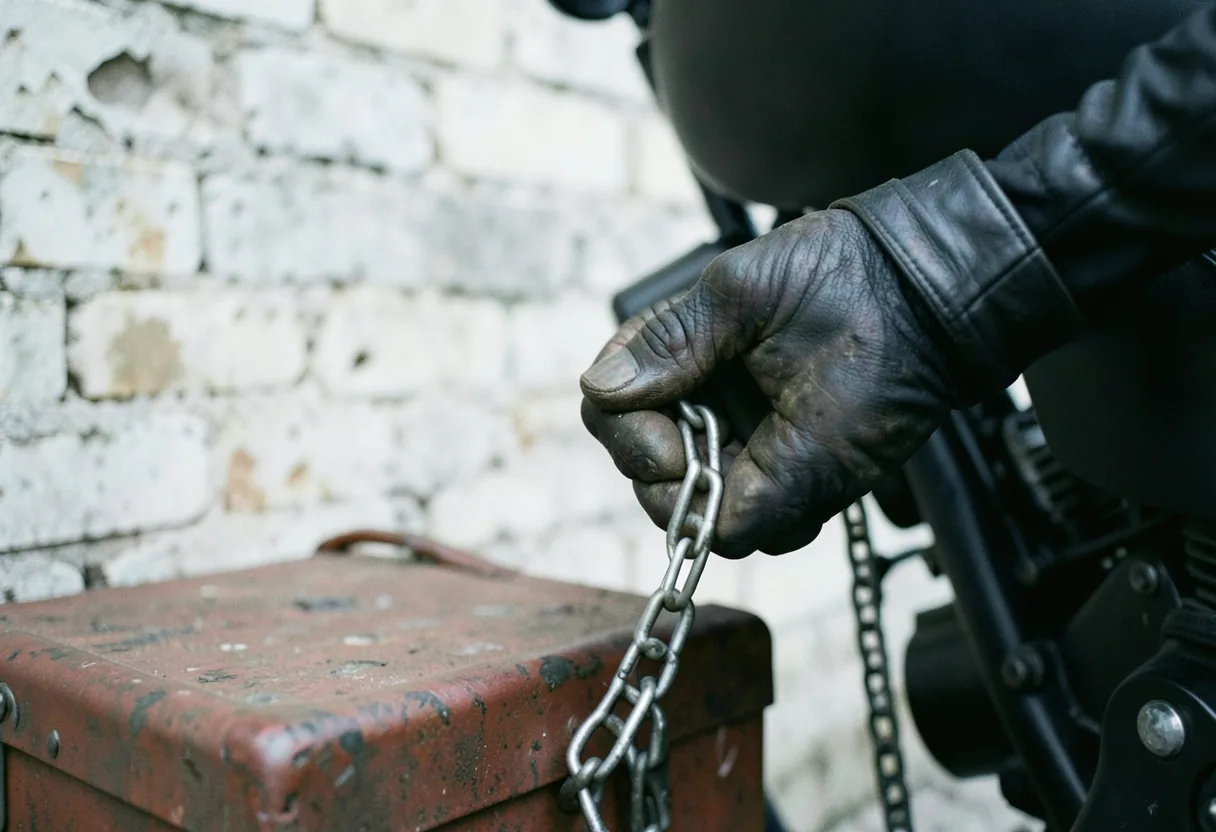
Harley-Davidson recommends regular oil changes every 5,000 miles for optimal motorcycle maintenance. Use synthetic oil for better engine protection. Check tire pressure monthly, and replace tires when tread depth reaches 2/32 inch. Inspect brake pads every 5,000 miles.
Harley Davidson motorcycle maintenance is the process of keeping your bike in top condition through regular service, inspections, and repairs using parts and knowledge specific to Harley-Davidson models.
Think of your Harley like a classic car: you wouldn’t fuel a vintage Cadillac with diesel, and you wouldn’t tune its engine with a smartphone app. Harley maintenance is about matching the right tools, parts, and know-how to the bike’s design, just as a restorer might use period-correct paint for a 1950s Cadillac.
Key facts
- Harley-Davidson recommends service intervals every 5,000 miles for basic checks and every 10,000 miles for major services like valve adjustments.
- The Motor Company’s V-Twin engine design, while iconic, requires specific torque specs and oil weights for longevity.
- Harley’s Genuine Service parts are engineered to fit precisely, but aftermarket options like Screamin’ Eagle performance parts can modify performance.
- DIY maintenance can save money, but improper work voids warranties and risks safety, especially on critical systems like brakes or electricals.
01The Harley Davidson Motorcycle Maintenance Guide
Harley maintenance isn’t just about oil changes and tire pressure, it’s a mix of routine care, model-specific quirks, and rider habits. The first time I really looked at a Harley service manual, I was struck by how much detail went into something as simple as adjusting the throttle cables. Every nut, bolt, and fluid spec serves a purpose, and cutting corners leads to bigger problems down the road.
For riders, the choice isn’t just between DIY and dealer service. Online courses, mobile mechanic apps, and factory training programs add layers of complexity. Below, we break down the main options and when to use them.
Maintenance Options Comparison
02Dealer Service: The Gold Standard
Dealer service is the safest choice for warranty preservation and complex repairs. Harley dealerships use factory-trained technicians with access to diagnostic tools like the Harley-Davidson Service Tool (HDST). They handle everything from oil changes to transmission overhauls, and their labor is backed by the Motor Company’s quality standards.
The downside? Cost. A basic oil change at a dealer can run $200 or more, and major services like valve adjustments or clutch replacements escalate quickly. For riders under warranty or those who prioritize convenience, however, the peace of mind is worth it. Dealers also offer loaner bikes during service, which is a rarity outside the Harley ecosystem.
03Mobile Mechanics: Convenience on Wheels
Mobile mechanics bring dealer-level service to your doorstep, ideal for riders short on time or without easy access to a dealership. Companies like Wrench or local independent mechanics specializing in Harleys can perform routine maintenance, diagnostics, and even minor repairs. Some are certified to work on Harley models, ensuring warranty compliance.
The trade-off is scheduling. Mobile mechanics often have tight calendars, and prices can vary widely by region. For riders who value time over cost but don’t want to DIY, this is a strong middle ground.
04DIY Maintenance: The Hands-On Approach
Harley’s DIY community is vast, with forums like HDForums.com and YouTube channels like Jensen Beeler’s Motorcycle.com offering tutorials. Basic tasks like oil changes, chain adjustments, and brake inspections are manageable for beginners, while advanced work (e.g., engine teardowns) requires serious mechanical skill.
The risk? Mistakes can void warranties or, worse, compromise safety. Improper torque on fasteners, for example, can lead to catastrophic failures. That said, resources like the Zen and the Art of Motorcycle Maintenance PDF guide and Harley’s own service manuals (available via H.O.G. University) make DIY more accessible than ever.
Online Courses: Learning the Harley Way
For riders who want to DIY but lack experience, structured courses are a game-changer. Harley’s H.O.G. University offers modules on everything from basic maintenance to advanced diagnostics. Other platforms, like Udemy, host Harley-specific courses taught by former dealers or long-time mechanics.
The catch? Even with training, some tasks require specialized tools or space. Courses are best seen as a supplement to hands-on practice, not a replacement for professional service when needed.
05Harley Davidson Motorcycle Maintenance: Tools and Equipment
Whether you’re a DIY enthusiast or just want to handle minor tasks, having the right tools makes all the difference. Harley-Davidson offers a range of specialized tools, from basic socket sets to the HDST diagnostic tool. Here’s a breakdown of essential equipment and where to find it.
Maintenance Tools Comparison
For serious DIYers, investing in a full toolset pays off in the long run. The HDST, while expensive, is a must for advanced diagnostics and programming. For casual riders, a basic socket set and torque wrench cover most routine tasks.
06How to Choose
- Warranty status: Stick to dealer or certified mobile mechanics if your bike is under warranty.
- Budget: DIY saves money but demands time and skill; dealer service is pricier but worry-free.
- Complexity: For tasks like valve adjustments or electrical diagnostics, professional help is non-negotiable.
- Time: Mobile mechanics offer convenience, while DIY requires scheduling flexibility.
- Learning goals: If you want to understand your bike, invest in courses and start with simple DIY tasks.
Maintenance Task Comparison
Harley Davidson motorcycle maintenance isn’t one-size-fits-all. Whether you prioritize convenience, cost, or learning, the key is matching your needs to the right approach. Start small if you’re DIY-curious, but never skimp on critical systems, your safety, and your bike’s longevity, depend on it.
For those new to maintenance, the is an invaluable resource. It breaks down service intervals, torque specs, and troubleshooting steps in clear, model-specific detail. Pair it with the right tools and approach, and you’ll keep your Harley running like new for years to come.
07Frequently asked questions
How often should I change the oil in my Harley Davidson motorcycle?
Harley Davidson recommends oil changes every 3,000 miles or every 6 months, whichever comes first. Use Harley's own synthetic blend, like Screamin' Eagle Synthetic 20W50, for optimal engine protection. Neglect this, and you risk accelerated engine wear.
What's the best way to check and adjust the chain tension on my Harley?
Check chain tension monthly. Park on a level surface, lift the rear wheel, and push the chain down at the tightest point. Ideal sag is 1/16 to 1/8 inch for most models. Use the axle adjustment nuts to fine-tune. Too tight or loose, and you'll wear sprockets faster.
How do I know when my Harley's brakes need servicing?
Inspect brake pads every 5,000 miles. If the pad material is less than 1/8 inch thick, replace them. Listen for squealing or grinding noises. Brake fluid should be flushed every 2 years to prevent moisture buildup, which can corrode brake lines.
What's the proper tire pressure for my Harley Davidson?
Check your owner's manual for exact specs, but most Harley touring models run around 36 psi front and 40 psi rear when cold. Use a quality tire pressure gauge and inflate to the sidewall max if unsure. Underinflated tires cause excessive wear and poor handling.