
How to Create a Motorcycle Maintenance Schedule
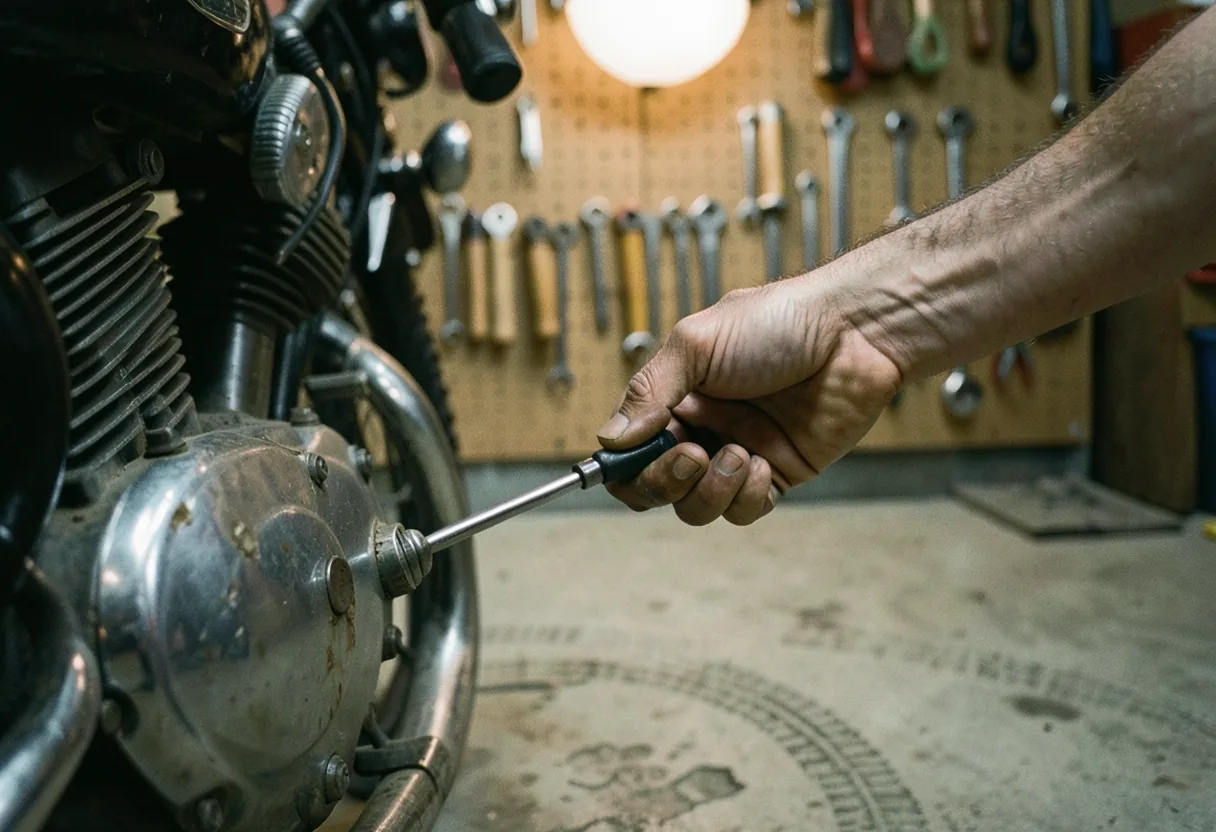
Follow the manufacturer’s guidelines, but generally, change engine oil every 3,000-5,000 miles, inspect tires for wear monthly, replace brake fluid every 2 years, and check chain tension every 500 miles for optimal motorcycle performance.
A motorcycle maintenance schedule is a systematic plan outlining routine inspections, servicing, and repairs to keep your bike in optimal condition.
Think of it like your motorcycle’s personal trainer, a strict routine that ensures every part is working as it should, just like how a trainer makes sure your body stays in top shape.
Key facts
- Regular maintenance extends the lifespan of your motorcycle and prevents costly breakdowns.
- A well-maintained bike consumes fuel more efficiently, saving you money in the long run.
- Following a maintenance schedule enhances safety by ensuring critical components like brakes and tires are always reliable.
- Manufacturers often void warranties if maintenance records are not up to date.
01What you need
- A motorcycle maintenance manual (specific to your bike’s make and model)
- A maintenance logbook or digital app to track services
- Basic tools (wrenches, screwdrivers, pliers, etc.) and specialized tools if needed
- High-quality lubricants, filters, and other consumables
- Access to a reliable service center or mechanic
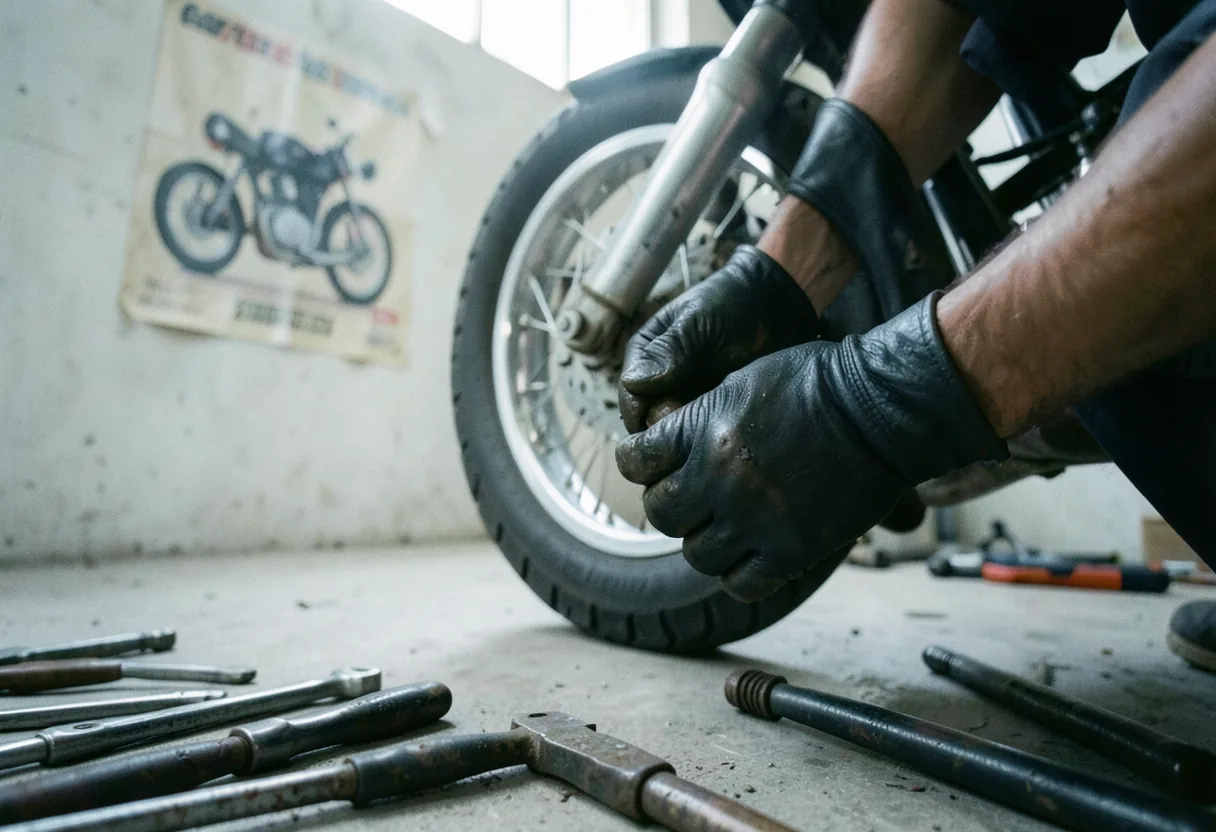
02Creating Your Motorcycle Maintenance Schedule
- Consult your motorcycle’s manual for the manufacturer’s recommended service intervals. This is your starting point and will include specifics for your bike’s make and model.
- Organize maintenance tasks by frequency. Tasks like oil changes and tire pressure checks will be more frequent, while others like valve adjustments or brake fluid changes will be less so.
- Create a digital or physical logbook to track all maintenance activities. Apps like Motorcycle Maintenance or simple spreadsheet software can help.
- Set reminders for upcoming maintenance tasks using your phone or calendar app. This ensures you never miss a critical service.
- Perform regular inspections. Before every ride, check tire pressure, fluid levels, and lights. After longer rides, inspect brakes, chains, and suspension.
- Schedule professional services. While you can handle many tasks yourself, some require a professional mechanic, especially for complex systems like the engine or transmission.
- Keep detailed records of all services, including dates, parts replaced, and any issues noted. This is crucial for maintaining warranty coverage and resale value.
- Adjust your schedule based on riding conditions. If you frequently ride in harsh conditions (dusty trails, heavy rain, extreme temperatures), you may need to increase maintenance frequency.
- Review and update your schedule annually to ensure it remains aligned with your riding habits and the manufacturer’s recommendations.
03Common Mistakes to Avoid
Avoid these pitfalls when creating and following your motorcycle maintenance schedule:
- Ignoring manufacturer recommendations. Every motorcycle is different, and deviating from the manual can lead to problems down the line.
- Skipping regular inspections. Small issues can become big problems if not caught early.
- Using substandard parts or fluids. Always use high-quality components and fluids recommended by the manufacturer.
- Neglecting to update records. Keeping accurate records is essential for warranty claims and proving your bike has been well-maintained.
04Motorcycle Maintenance Schedule: Common Tasks
Below is a table outlining common motorcycle maintenance tasks and their recommended frequencies.
05Customizing Your Motorcycle Maintenance Schedule
The first time I really looked at a motorcycle maintenance schedule, I realized how much it could vary based on the bike and the rider. For example, a sport bike ridden aggressively will need more frequent maintenance than a cruiser used for leisurely rides. Customizing your schedule involves understanding your riding style and the specific needs of your motorcycle.
If you’re unsure where to start, look for resources like the Harley Davidson Motorcycle Maintenance Schedule (Harley Davidson Motorcycle Maintenance Schedule) or consult a trusted mechanic. Online forums and rider communities can also provide valuable insights and tips tailored to your bike’s make and model.
06Motorcycle Maintenance Schedule vs. Checklist
A motorcycle maintenance schedule and a checklist serve different but complementary purposes. A schedule outlines when tasks should be performed, while a checklist ensures you don’t miss any steps during maintenance.
07Advanced Maintenance Tasks
Beyond the basic tasks, there are more advanced maintenance activities that can keep your motorcycle in peak condition. These tasks often require specialized tools and knowledge but can significantly extend the life of your bike.
08Benefits of a Well-Maintained Motorcycle
A well-maintained motorcycle offers several benefits beyond just keeping it running smoothly. Regular maintenance can improve fuel efficiency, enhance safety, and even increase the bike’s resale value. According to experts, a motorcycle that has been well-maintained can last significantly longer and require fewer costly repairs over its lifetime.
09Staying on Track
- Set reminders for upcoming maintenance tasks.
- Use a maintenance logbook or app to track all services.
- Consult your motorcycle’s manual for manufacturer recommendations.
- Adjust your schedule based on riding conditions and habits.
- Review and update your schedule annually.
Creating and following a motorcycle maintenance schedule is an investment in your bike’s longevity and your safety. By staying on top of routine maintenance tasks, you’ll enjoy a smoother, safer ride and avoid costly breakdowns down the road. Happy riding!
10Frequently asked questions
What are the essential items to check monthly on a motorcycle?
Focus on fluids, check engine oil, coolant, and brake fluid levels. Inspect tire pressure and tread depth. Lubricate the chain if your bike has one. Test all lights and signals. These simple checks prevent major issues. For example, low coolant can lead to overheating, while worn tread reduces traction.
How often should I change the engine oil and filter?
Change the oil every 3,000 to 5,000 miles, depending on your bike’s manual. Synthetic oil lasts longer but still needs regular changes. Replace the oil filter during each oil change. Neglecting this can cause engine wear. For instance, Harley-Davidson recommends oil changes every 5,000 miles for most models.
What are the key tasks for a yearly motorcycle maintenance check?
Replace the air filter, inspect the brake pads and rotors, check the battery’s charge, and examine the suspension for leaks or wear. Valve clearance adjustments might be needed for performance bikes. For example, sport bikes like the Yamaha YZF-R1 require valve checks every 15,000 miles.
How do I know when to replace my motorcycle’s tires?
Replace tires when tread depth reaches 2/32 of an inch. Check for cracks, bulges, or uneven wear. Tire age matters too, replace them every 5-6 years regardless of tread. For instance, Michelin recommends tire replacements if you spot fabric or belt material exposed. Always pair new tires for balanced performance.