
Phaedrus and the Philosophy in Zen and the Art of Motorcycle Maintenance

Phaedrus, the pseudonymous author of “Zen and the Art of Motorcycle Maintenance,” was actually Robert M. Pirsig. The novel, published in 1974, blends a cross-country motorcycle journey with philosophical inquiries into quality and technology. Pirsig’s alter ego, also named Phaedrus, explores these themes through personal experiences and reflections.
Phaedrus and the philosophy in Zen and the Art of Motorcycle Maintenance explore motorcycle maintenance as a metaphor for understanding quality and technology.
Imagine Phaedrus as a mechanic who sees a motorcycle not just as a machine, but as a puzzle that reveals deeper truths about life, much like a philosopher untangling the mysteries of the universe through the hum of an engine.
Key facts
- The novel was written by Robert M. Pirsig under the pseudonym Phaedrus.
- It blends autobiography, fiction, and philosophical inquiry.
- The book was first published in 1974 after facing numerous rejections.
- Phaedrus is a central character representing the author’s former self.
01Who is Phaedrus in Zen and the Art of Motorcycle Maintenance?
Phaedrus is the pseudonymous alter ego of Robert M. Pirsig, the author of Zen and the Art of Motorcycle Maintenance. This persona represents Pirsig’s former self, a brilliant but troubled academic who underwent a profound personal transformation. Phaedrus embodies the philosophical quest at the heart of the novel, grappling with questions of quality, technology, and the nature of reality.
The character of Phaedrus is introduced as a figure from the past, a man whose ideas were once revolutionary but ultimately led to his institutionalization. Through the narrative, the protagonist, also named Pirsig, revisits the life and thoughts of his former self, weaving together a complex tapestry of personal history and philosophical exploration. This dual identity allows Pirsig to explore his own past with a critical yet empathetic eye, making the novel as much a work of self-discovery as it is a philosophical treatise.
02What is the philosophy in Zen and the Art of Motorcycle Maintenance?
The philosophy in Zen and the Art of Motorcycle Maintenance centers on the concept of “Quality,” a term Phaedrus uses to describe an underlying, indescribable essence that unites all things. This philosophy challenges traditional Western dualism, which separates subject from object, mind from body, and value from fact. Instead, Phaedrus argues that Quality is a direct experience that transcends these divisions, offering a more holistic way of understanding the world.
The novel delves into the nature of technology and the role of the individual in shaping it. Phaedrus critiques the modern tendency to view technology as a neutral tool, arguing that it is deeply intertwined with human values and intentions. He advocates for a mindful approach to technology, one that emphasizes craftsmanship, attention to detail, and a deep appreciation for the process of creation. This philosophy is exemplified through the act of motorcycle maintenance, which becomes a metaphor for the broader quest for meaning and understanding.
03How does motorcycle maintenance relate to Phaedrus’ philosophy?
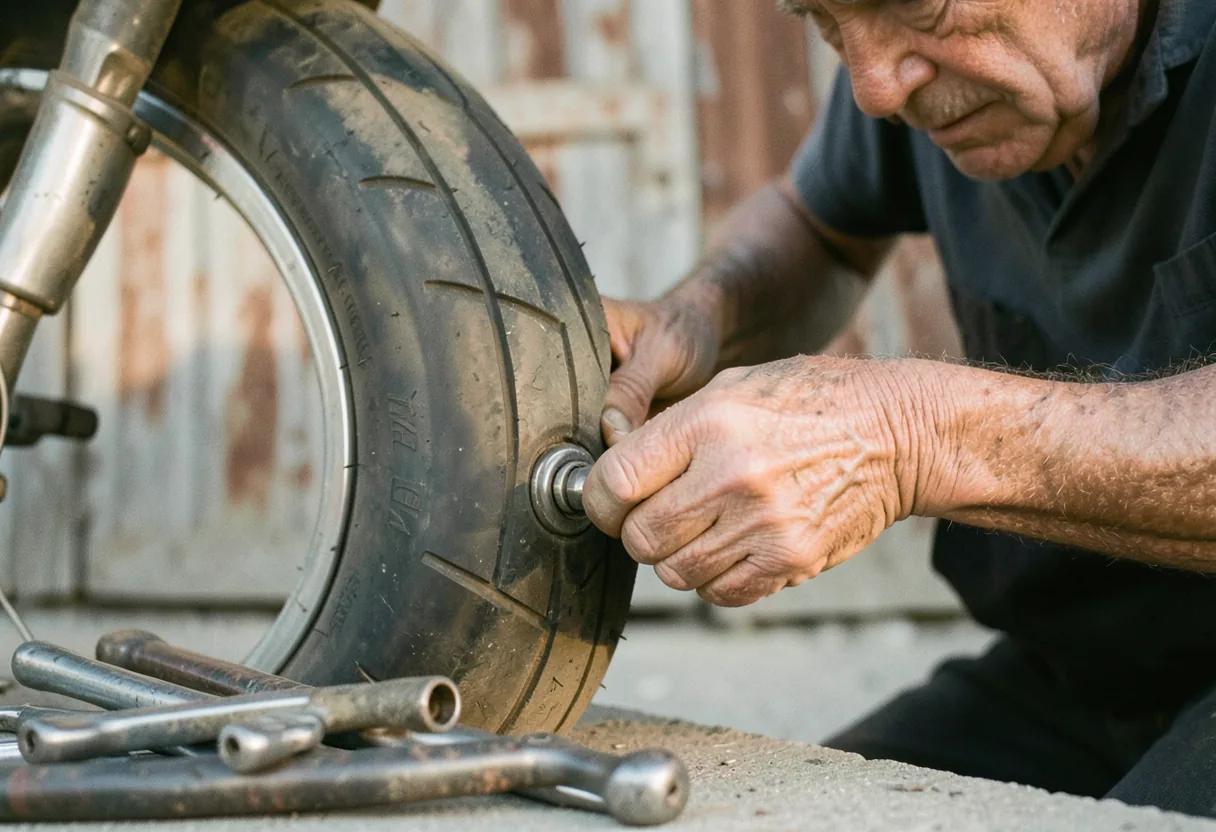
Motorcycle maintenance serves as a practical and metaphorical foundation for Phaedrus’ philosophy. The act of fixing and caring for a motorcycle requires a deep understanding of its mechanics, a keen eye for detail, and a patience that borders on meditation. For Phaedrus, this process is not just about keeping the machine running; it is about engaging with the world in a way that reveals its underlying Quality. The motorcycle becomes a microcosm of the larger universe, a tangible manifestation of the philosophical principles he seeks to explore.
The novel contrasts two approaches to motorcycle maintenance: the “classical” approach, which values technical precision and adherence to manuals, and the “romantic” approach, which emphasizes intuition and the emotional connection to the machine. Phaedrus argues that true understanding comes from integrating both approaches, creating a synthesis that honors both the technical and the intuitive aspects of the craft. This integration is a microcosm of his broader philosophical project, which seeks to bridge the gap between the rational and the experiential.
Key Philosophical Concepts
04What are the key themes in Zen and the Art of Motorcycle Maintenance?
The novel explores several key themes, including the nature of reality, the pursuit of Quality, and the relationship between technology and human values. Phaedrus’ philosophy challenges the reader to reconsider their assumptions about the world and to seek a deeper, more integrated understanding of existence. The themes are woven together through the narrative of a cross-country motorcycle trip, which serves as both a physical journey and a metaphorical quest for meaning.
The protagonist’s interactions with his son Chris, as well as with other characters like John Sutherland, provide a rich tapestry of human relationships that reflect the broader philosophical questions at play. The novel also delves into the history of Western thought, drawing on figures like Socrates, Plato, and Kant to contextualize Phaedrus’ ideas. This historical perspective adds depth to the philosophical inquiry, grounding it in a long tradition of intellectual exploration.
Historical Context of the Novel
05How has Zen and the Art of Motorcycle Maintenance influenced motorcycle maintenance?
While the novel is primarily a work of philosophy, it has had a significant impact on the way some enthusiasts approach motorcycle maintenance. The emphasis on craftsmanship, attention to detail, and the integration of technical and intuitive understanding has resonated with a subset of riders who view maintenance as a meditative practice. This approach aligns with the broader DIY culture, which values self-sufficiency and a deep connection to the tools and machines we use.
The novel’s influence can also be seen in the growing popularity of workshops and courses that emphasize the philosophical and meditative aspects of motorcycle maintenance. For example, the The Zen of Motorcycle Maintenance: A Complete Guide offers a deep dive into the philosophical underpinnings of the novel, providing readers with a framework for applying these ideas to their own lives and practices. This blending of philosophy and practical skill reflects the novel’s enduring relevance and its ability to inspire new ways of thinking about the world.
06What are the best resources for understanding Phaedrus’ philosophy?
To fully grasp Phaedrus’ philosophy, readers should start with the novel itself, which offers a rich and nuanced exploration of the concepts at play. The Zen and the Art of Motorcycle Maintenance Summary provides a useful overview of the novel’s key themes and ideas, making it a good starting point for those new to the material. For a more detailed analysis, the Plot Breakdown of Zen and the Art of Motorcycle Maintenance breaks down the narrative structure and its philosophical significance.
In addition to the novel, Pirsig’s second book, Lila: An Inquiry into Morals, offers a deeper exploration of the philosophical concepts introduced in Zen and the Art of Motorcycle Maintenance. This sequel builds on the ideas of Quality and technology, providing a more comprehensive framework for understanding Pirsig’s thought. For those interested in the historical context of the novel, the Zen and the Art of Motorcycle Maintenance Review offers insights into the novel’s reception and its impact on Western philosophy.
07How can readers apply Phaedrus’ philosophy to their own lives?
Applying Phaedrus’ philosophy to one’s own life begins with a shift in perspective, viewing everyday activities as opportunities to engage with the concept of Quality. For motorcycle enthusiasts, this might mean approaching maintenance tasks with a greater sense of mindfulness and attention to detail. By integrating the technical and intuitive aspects of the craft, riders can cultivate a deeper connection to their machines and the broader world.
Beyond motorcycle maintenance, Phaedrus’ philosophy encourages a holistic approach to life, one that values both the rational and the experiential. This might involve seeking out new experiences that challenge one’s assumptions, engaging in creative pursuits that foster a sense of craftsmanship, or simply taking the time to appreciate the beauty and complexity of the world around us. The Understanding Zen and the Art of Motorcycle Maintenance offers practical advice for applying these principles to various aspects of life, from work to personal relationships.
- Engage with the concept of Quality by seeking out experiences that reveal the underlying essence of things.
- Approach tasks with mindfulness and attention to detail, integrating both technical and intuitive understanding.
- Cultivate a sense of craftsmanship in your pursuits, valuing the process as much as the outcome.
- Challenge traditional dualisms by seeking a more integrated understanding of the world.
- Reflect on the history of technology and its impact on society, considering how your own values and intentions shape your use of tools and machines.
The first time I really looked at a motorcycle engine, I saw it not just as a collection of parts, but as a testament to human ingenuity and the pursuit of Quality. Phaedrus’ philosophy teaches us to see the world in this way, to find meaning in the seemingly mundane, and to cultivate a deeper connection to the things we create and the experiences we share.
08Frequently asked questions
Who was Phaedrus and why is he significant in Zen and the Art of Motorcycle Maintenance?
Phaedrus was the pen name of Robert M. Pirsig, the author of Zen and the Art of Motorcycle Maintenance. He adopted this name to publish his work, which explores the metaphysics of quality. Phaedrus represents the narrator's former self, embodying the intellectual and philosophical struggles that drive the book's central themes.
What is the core philosophy discussed in Zen and the Art of Motorcycle Maintenance?
The book contrasts classical and romantic modes of thought, advocating for a synthesis of both. Pirsig introduces the concept of 'Quality,' an underlying reality that connects subjective and objective experiences. This philosophy challenges traditional dualisms and seeks a unified understanding of the world.
How does the motorcycle serve as a metaphor in the book?
The motorcycle represents the practical application of philosophy. Pirsig uses the process of motorcycle maintenance to illustrate the importance of careful, deliberate action. The book's journey mirrors the narrator's internal struggle to reconcile technical expertise with spiritual enlightenment, using the motorcycle as a tangible symbol of this integration.
What impact did Zen and the Art of Motorcycle Maintenance have on literature and philosophy?
Published in 1974, the book became a counterculture classic, selling over five million copies. It influenced both literary and philosophical circles by blending personal narrative with abstract philosophical inquiry. Pirsig's exploration of Quality continues to resonate in discussions about the nature of reality and the pursuit of meaning.